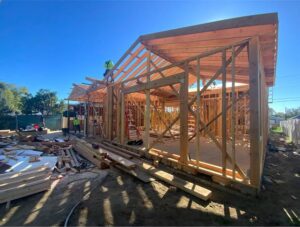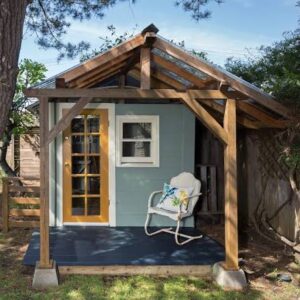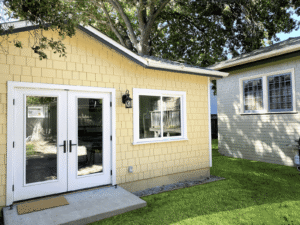

Basement Under Your House projects are rising fast in cities where space is tight. Homeowners want more room without moving or losing yard space. This guide explains what it takes, what it costs, and when it makes sense.
A basement addition is not a small remodel. It is a structural build that needs planning, permits, and skilled crews. Done right, it adds real value and long term space.
What a Basement Under Your House Really Means
A basement under an existing home is built by excavating soil beneath the structure. The house stays in place while crews dig and reinforce below.
This is different from a crawl space upgrade. It is full height living space with new footings, walls, and drainage.
Many homeowners ask if this is even possible. The short answer is yes, with the right conditions and team.Working with Poseidon Remodeling ensures proper structural support, utility planning, and building code compliance. Factors like soil type, water tables, and drainage systems affect cost and the timeline, usually 3–6 months. Expert contractors help maximize functionality, reduce risks, and create a versatile, valuable space with a strong return on investment.
Who Should Consider Adding a Basement?
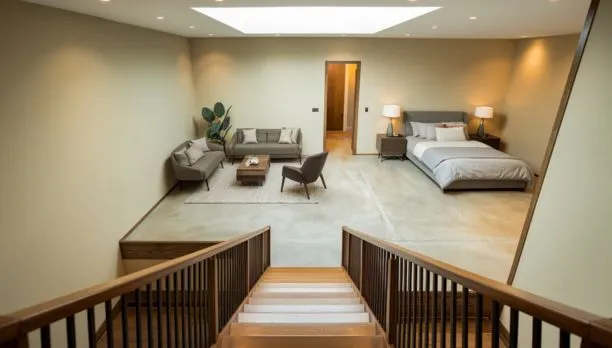
Not every homeowner realizes how a basement expansion or house addition with basement can completely change their home. From my experience, certain families, investors, and urban homeowners can benefit most when putting a basement under an existing home. It’s a smart investment that improves property function and value without altering the house’s facade.
- Families: who outgrow their modern area can provide additional space for different types of rooms like playroom, home theater, or guest houses, keeping the house tidy and functional.
- Investors and landlords: can turn unused space into a rental unit, creating income potential and appealing to potential tenants seeking privacy with separate entrances.
- Urban and suburban homeowners: in densely populated areas find digging a basement a practical option, offering usable living space while retaining the neighborhood’s overall look and feel.
A finished basement boosts resale value and attracts potential buyers, giving a solid return on investment in markets where space is scarce.
Can a Basement Be Added to an Existing Home?
Yes. Can you build a basement under an existing house is one of the most common questions we hear.
The answer depends on:
-
Foundation type
-
Soil condition
-
Water table level
-
Local building codes
Homes with shallow footings often qualify. Older homes are common candidates.
This type of basement addition is popular in dense neighborhoods where adding outward is not allowed.
Why Homeowners Choose This Option
A basement adds square footage without changing the home’s footprint.
Common reasons include:
-
Guest suites
-
Rental units
-
Home offices
-
Storage rooms
-
Media rooms
For growing families, it supports a Multigenerational Home Remodel plan. Parents or adult children get privacy without moving.
Assessing the Feasibility of Adding a Basement

Before starting a basement addition to existing house, it’s important to assess feasibility to make sure the project is safe and durable. This involves evaluating the structural integrity, local building codes, and soil conditions to plan a successful project.
Checking Structural Integrity
Before putting a basement under an existing home, check structural integrity and construction quality. The house must support the new addition, especially if built on a concrete slab or podium. Even crawl spaces can help make a basement addition more feasible.
Following Local Codes
Every locality has building codes. Adherence to rules, obtaining permits, and meeting structural support standards avoids legal complications. Cooperation with local building officials ensures compliance with requirements like maximum ceiling heights and safe operation exits.
Considering Soil and Water
The feasibility of a basement extension depends on soil type, water table, and drainage. High water tables may complicate construction and need waterproofing solutions to prevent moisture, flooding, or structural issues.
Hiring Experts
A basement addition is a complex project requiring experienced contractors and structural engineers. Hiring experts who have experience in home addition with basement projects helps ensure structural safety and accurate planning.
The Process of Digging a Basement Under an Existing House
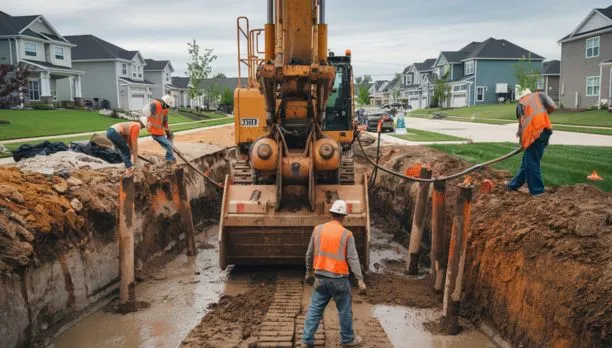
Digging a basement beneath a house follows a strict order. A well-organized approach ensures the structure stays safe while creating a basement extension that adds value to your home improvements Oceanside project.
-
Permits and soil tests
-
Temporary structural supports
-
Controlled excavation
-
New footings and walls
-
Drainage and waterproofing
-
Slab pour
-
Framing and utilities
This process can take three to six months, depending on size and access.
Challenges and Solutions When Digging a Basement
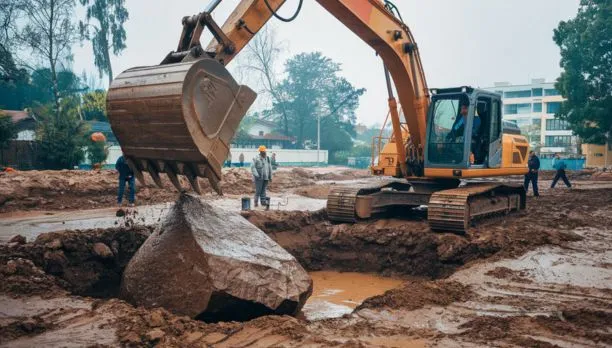
A basement addition to existing house comes with challenges like high water tables, structural risks, and unexpected costs. Proper planning, waterproofing solutions, and working with experienced contractors can ensure a safe and durable basement.
Managing Water Tables
When adding a basement to a home, high water tables can cause flooding and moisture issues. Sump pumps and drainage systems help divert water and keep the basement dry.
Preventing Structural Risks
Putting a basement under an existing home needs precise planning. Underpinning provides essential support to avoid settling, cracking, or expensive repairs.
Budgeting for Cost Overruns
The cost to add a basement can rise with soil instability or waterproofing needs. A contingency fund covers unexpected expenses and reduces financial strain.
Working with Professionals
Experienced contractors and professionals ensure smooth construction. Using quality materials prevents problems, keeps the basement for house durable, and secures a successful outcome.
Cost Breakdown of Adding a Basement Under an Existing House

Cost to add a basement under a house varies widely.
Typical ranges:
-
$150 to $350 per square foot
-
$150,000 to $300,000+ total
Cost factors include:
-
Soil type
-
Access for equipment
-
Foundation complexity
-
Waterproofing needs
Compared to a Whole Home Remodeling project, this is a high investment but adds major value.
Maximizing the Use of Your New Basement

After putting a basement under your house, focus on creating cozy, functional spaces and smart storage solutions. A well-planned basement extension maximizes usability and adds value to your home.After completing a basement expansion, focus on creating cozy, functional spaces
Cozy Functional Spaces
After putting a basement under an existing house, create a cozy home office, guest suite, or entertainment room. A rental unit can generate extra income while large windows keep it open and safe.
Smart Storage
Basements provide organized storage areas to declutter living spaces. Custom shelving and hidden compartments maximize space for seasonal items and personal collections.
Multi-Use Layouts
A multi-functional layout allows flexible spaces like a family room addition with a home office or gym, adapting as needs change.
Practical Finishes
Basement remodel cost can include tile installation for durability and style, making your basement addition or extension versatile and functional.
How a Basement Can Increase Property Value

A well-planned house addition with basement increases livable square footage and improves home value A finished basement can provide up to a 79% return on investment and appeals to buyers looking for room for growing families or hobbies.
A well-designed basement attracts families and investors with rental potential. Using a versatile space as an in-law suite or rental unit adds value and makes the home more attractive. Adding a basement to a home or basement extension is a smart way to expand basement space while managing cost to add a basement.
Key Considerations Before Starting the Project

Before adding a basement to your house, carefully plan utilities and understand local regulations. Hiring experienced contractors ensures the project is smooth, safe, and compliant.
Planning Utilities Early
When adding a basement to your existing house, plan utilities like plumbing, electrical, and HVAC systems early. Extending them during construction keeps the new space comfortable and functional.
Understanding Regulations
Before putting a basement under your house, follow zoning laws, building codes, and regulations. Check depth, height, ceilings, and emergency exits to avoid fines and delays.
Hiring the Right Contractor
Selecting a contractor with basement addition experience is crucial. Look for a track record, similar projects, and positive reviews. A good contractor ensures the project proceeds smoothly.
Insurance and Protection
Adding a basement may affect home insurance premiums due to additional square footage and water damage. Consult your insurance provider and ensure adequate protection. A well-finished basement increases your home’s appeal.
Alternative Solutions to Adding Space

If adding a basement to a house isn’t feasible, consider building a second story or converting a crawl space. Expanding outward with a home extension also creates extra living space efficiently
Add Space Upwards
If digging down isn’t possible, adding a second story gives similar benefits. Perfect for homes on small lots or high water tables, it allows adding bedrooms, bathrooms, and living areas easily.
Smart Crawl Space Use
Converting a crawl space is a feasible alternative for homeowners with restricted budgets. Deepening and reinforcing it creates extra usable space without a full basement.
Extend Your Home
Building outward with a domestic extension adds new living areas, sunrooms, studios, or visitor rooms. This method is less complex than a Basement Under Your House and makes the most of outdoor space.
How Poseidon Remodeling Handles These Projects
Poseidon Remodeling manages design, permits, and construction under one roof.
We focus on safety, clear pricing, and code compliance.
Our team also handles interior builds and finishing, including kitchens and Bathroom remodeling oceanside,ca projects.
We even coordinate packing service support so homeowners can protect belongings during construction.
Conclusion
Basement Under Your House, A basement build is a major step, but it solves real space problems. It supports family growth and long term value. Done right, it becomes the most useful level of your home. Poseidon Remodeling guides you from planning to finish. Reach out today to explore your options and get clear answers.
FAQs
Can I put a basement under my house?
Yes, you can put a basement under an existing house if the structure and soil allow it. Consulting experts ensure safety, compliance with local codes, and proper support.
How much does it cost to dig a basement under an existing house?
Digging a basement under an existing house typically costs between $15,000–$50,000 for excavation and structural work. Total costs depend on soil, size, and required utilities.
How much does it cost to put a basement under a manufactured home?
Adding a basement under a manufactured home is usually more expensive due to foundation adjustments and structural reinforcement. Costs can range from $20,000–$60,000 depending on location and materials.
Is it cheaper to build up or dig a basement?
Building upward is generally cheaper than digging a basement, especially for small lots or high water tables. A basement offers more usable space but comes with higher excavation and waterproofing costs.
Can you extend a basement under an existing house?
Yes, a basement extension is possible with careful planning, proper permits, and professional contractors. Reinforcing the foundation and following local building codes is essential.