
In real projects I have worked on, families often live together under one roof, and a multi generational home or multi generational house is quickly becoming the most thoughtful way to support loved ones as needs keep evolving. These homes usually involve aging parents, adult children moving back home, or extended family, so a successful Multigenerational Home Remodel always hinges on design that prioritizes comfort, autonomy, and family-friendly layouts that truly accommodate daily life and shared routines.
From a builder’s point of view, I specialize in custom design-build solutions where homeowners can reimagine spaces with long-term functionality. A proven approach blends strong craftsmanship, smart planning, and flexible structures to adapt over time, adding aging-in-place features while maintaining style. The goal is to make a functional home in practical ways, through careful remodeling that offers real help, clear support, and results clients truly expect.
Table of Contents
ToggleDesigning for Privacy and Independence
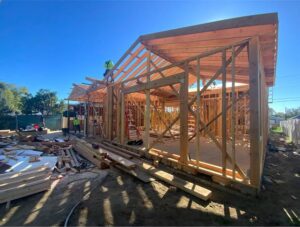
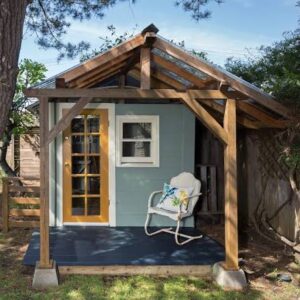
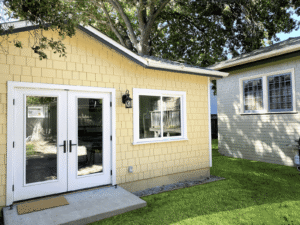
One of the most important aspects of a multi generational home remodel is ensuring each family member has the space they need to live with dignity and independence. In many cases, incorporating a home addition with a private suite complete with its own bedroom, bathroom, and living area creates the perfect balance.
In-law suites provide much-needed privacy for older adults or returning college students while preserving proximity for support and connection. I’ve worked with clients who reconfigure existing layouts through a whole home remodel, allowing for better separation of spaces without sacrificing togetherness. Some smart strategies include:
- Dual owner’s suites on different floors
- Basement conversions with upstairs wings that offer separate living zones
- Adding entrances that give different households their own access points
These thoughtful design choices help multigenerational house setups function harmoniously across generations. Whether you’re following a checklist for home remodeling or working with experts like Poseidon Remodeling, the flexibility built into your home makes all the difference.
Renovating with Accessibility in Mind
In multigenerational living homes, aging parents or family members benefit when Whole Home Remodeling incorporates aging-in-place design features. Renovation ideas become essential to support mobility and safety without sacrificing style or flow.
- Zero-step entrances and wide doorways for easy access
- Walk-in, curbless showers with grab bars for safety
- Non-slip flooring throughout key living rooms and hallways
- Lowered countertops and motion-sensor lighting for convenience
These upgrades can be included as part of larger interior renovations or master suite remodels, carefully blending seamlessly with the home’s aesthetic while offering long-term comfort and independence. Planning Reasons to Remodel around these design features ensures every family member can live safely and confidently.
Optimizing Shared Living Spaces
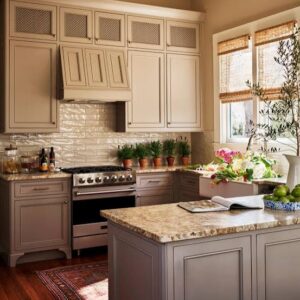
When planning a multigenerational home or multigenerational living setup, the key is optimizing common areas for shared use. In my experience, kitchens are the heart of the home, so kitchen remodeling services focus on open layouts, generous islands, dual prep zones, and ample seating so multiple people can cook, gather, or dine at the same time.
We also reimagine living rooms, laundry, and bathrooms to handle increased usage. Adding a second washer and dryer, expanding pantry space, or creating zoned HVAC systems can significantly reduce friction and improve day-to-day life for everyone, making a home remodel oceanside practical for adult children or law suites, and it’s exactly how I guide families in How to Start Home Renovations
Don’t Overlook the Outdoors
In multi-generational setups, choosing to live comfortably with aging parents and multiple generations means outdoor areas become valuable extensions of the home. Covered patios, decks, and screened porches offer additional space to gather, relax, or entertain without crowding the interior, while thoughtful exterior remodeling design environments that complement indoor living. These spaces support long term family routines, quiet morning moments, family BBQs, and can even connect to an accessory dwelling unit for flexibility.
Budget and Financial Planning
Planning a multigenerational home remodel requires careful financial consideration, but the investment creates lasting value for families choosing to live together under one roof. Most homeowners invest $50,000 to $150,000 for targeted renovations including accessibility features, kitchen updates, and bathroom modifications, while comprehensive projects with home additions or in-law suites range from $150,000 to $300,000 depending on craftsmanship.
The cost breakdown allocates 30-40% toward structural work, 25-30% for kitchen remodeling with dual prep zones and generous islands, and 15-20% for accessible bathroom conversions featuring grab bars, curbless showers, and non-slip flooring, with remaining funds covering zoned HVAC systems and wide doorways that support multigenerational living. The ROI on aging-in-place features is compelling accessible design elements like zero-step entrances, walk-in showers, and lowered countertop heights return 60-80% at resale while preserving proximity, support, and connection across generations.
Financing options include home equity loans for whole home remodeling projects and FHA 203(k) loans that finance both purchase and renovation costs for converting properties into a multi-generational house. Don’t overlook tax credits: the federal government provides deductions for medically necessary home modifications including motion-sensor lighting and grab bars, living rooms design features that blend seamlessly with your aesthetic, while many states offer additional credits for aging-in-place construction and municipalities provide grants for creating law suites.
Building a Home for Everyone: Together
Multigenerational Home Remodel ideas, In generational living, every family member has unique needs, and a personalized approach is key. At poseidon remodeling, we consider custom home additions or whole remodels to accommodate blended families, creating separate living spaces with separate entrance options while keeping the home family friendly. From the first design consultation to the final walk-through, contact us now because our team helps plan, create, and design a space that meets everyone’s needs today and in the future, making living spaces functional, comfortable, and connected for every member of the household.
You Can Explore More About Our: Remodeling Services
FAQs for Multigenerational Home Remodel
What is a multigenerational home?
A multigenerational home is a residence designed to accommodate more than one generation under the same roof. It often includes spaces for aging parents, adult children, or extended family members while balancing privacy and shared living areas.
Why should I consider a multigenerational home remodel?
Remodeling a home for multigenerational living allows families to live together comfortably, meet accessibility needs, maintain privacy, and create functional shared spaces like kitchens, living rooms, and bathrooms.
How do I create privacy in a multigenerational house?
Privacy can be achieved by adding separate bedrooms, bathrooms, or in-law suites, creating dual entrances, or designing distinct living zones on different floors or in basement conversions.
What accessibility features are important for multigenerational homes?
Key features include zero-step entrances, wide doorways, curbless showers with grab bars, non-slip flooring, and lowered countertops. These upgrades support aging-in-place and safe mobility for all family members.
How can I optimize shared living spaces in a multigenerational remodel?
Open floor plans, large kitchen islands, dual prep zones, additional seating, extra laundry units, and zoned HVAC systems help shared spaces function efficiently for multiple generations.
What are some outdoor design ideas for multigenerational homes?
Covered patios, decks, screened porches, and connections to accessory dwelling units extend living space outdoors, allowing family members to gather, entertain, or enjoy quiet moments without crowding interior areas.