
Renovation planning can be both exciting and daunting, many homeowners start off collecting tile samples and paint colors before becoming overwhelmed with costs, costs they cannot control, or mistakes they cannot undo. If this describes you, or if there are hidden expenses which leave you uncertain as to your spending limits or confused by contractor choices.
At Poseidon Remodeling, our clients often wish they had clearer guidance before beginning. This guide covers everything for you, what to consider when renovating a kitchen, budget, layout, materials, timeline and any potential missteps or miscalculation. With it in your tool belt you will learn to plan smart without overspending while facing each stage with confidence and taking control.
Start With Clear Goals Before You Spend a Dollar
Before you compare cabinets or appliances, pause and define your goal.
Are you improving function? Updating style? Increasing home value? Planning to sell soon?
The first step is clarity. Without it, you risk changing direction mid-project, which leads to cost overruns.
Ask yourself:
- What frustrates me most about my current kitchen?
- Do I need more storage or better layout?
- Is this a long-term home or short-term investment?
- Am I doing light updates or fully remodelling the kitchen?
Clear answers guide every decision in your renovation planning process.
Set a Realistic Budget Before Design Begins
One of the biggest fears homeowners have is overspending. That fear is valid.
A proper kitchen remodel budget planning approach protects you from surprise expenses
Kitchen Renovation Cost Breakdown
Here is the general cost structure most projects follow:
- Kitchen cabinet installation: 30 to 40 percent
- Countertops: 10 to 15 percent
- Labor: 20 to 30 percent
- Appliances: 10 to 20 percent
- Permits and inspections: 5 percent
- Lighting and fixtures: 5 to 10 percent
Understanding this kitchen renovation cost breakdown will enable you to understand where your money goes.
Where to Save vs Where to Invest
Smart homeowners do not cut costs everywhere. They prioritize.
Invest in:
- Cabinets
- Layout improvements
- Quality countertops
- Skilled labor
Save on:
- Decorative hardware
- Trend-based finishes
- Minor cosmetic upgrades
Remember that cabinets and layout affect daily life. Hardware can be changed later.
Always add a 10 to 15 percent contingency fund for hidden issues. Plumbing, wiring, or structural surprises are common.
Focus on Kitchen Layout and Workflow Design

Many competitor articles talk about style. Fewer go deep into kitchen layout optimization, which is where true value lies.
The best kitchens follow strong kitchen layout and workflow design principles. This means:
- The sink, stove, and refrigerator form a functional triangle
- Walkways are clear
- Doors and drawers do not collide
- Prep space is near the sink
Poor layout decisions lead to daily frustration.
If you are doing full remodelling the kitchen, consider whether moving walls improves flow. Small changes in layout can transform functionality more than expensive finishes.
Use a Practical Kitchen Remodel Checklist
A clear kitchen remodel checklist reduces stress and prevents mistakes.
Your checklist should include:
- Budget approval
- Design finalization
- Material selection
- Permit confirmation
- Timeline agreement
- Contractor contract review
- Appliance measurements
- Demolition plan
- Installation schedule
- Final inspection
A detailed kitchen renovation checklist keeps your kitchen remodeling process organized. It also protects you from rushed decisions.
When evaluating renovate the kitchen, organization matters as much as design.
Choosing Kitchen Cabinets and Countertops Wisely
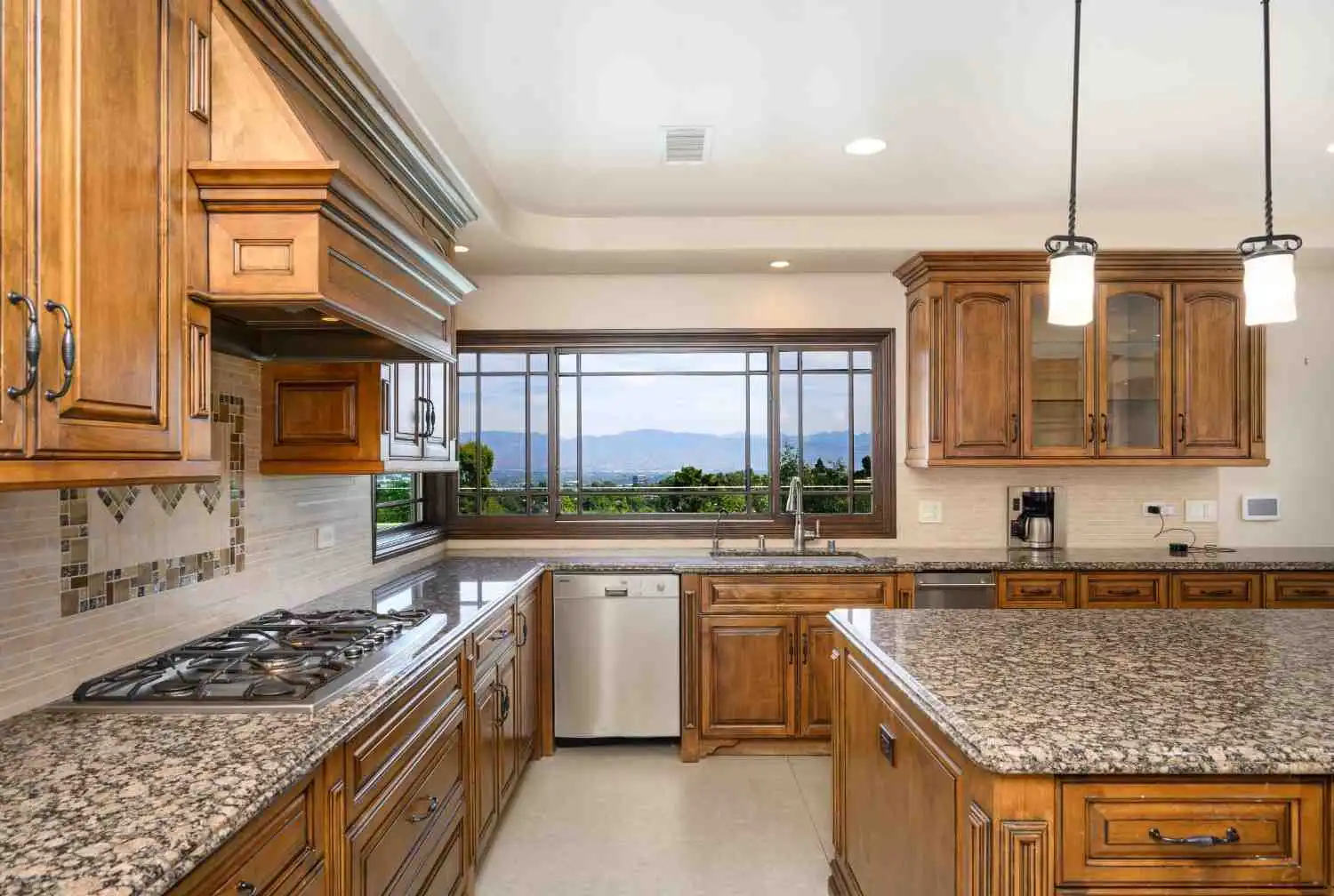
Cabinets are not just boxes. They define storage, durability, and daily use.
When choosing kitchen cabinets and countertops, consider:
- Solid wood vs engineered materials
- Soft-close hardware
- Storage features such as pull-out trays
- Heat and stain resistance
Your kitchen materials and finishes should reflect your lifestyle. A busy family may prefer quartz over marble due to the maintenance involved with keeping their surfaces looking new for as long.
Storage planning should also not be neglected in small kitchens; using deep drawers and vertical dividers as kitchen storage solutions helps make small kitchens seem larger.
Are You Searching For Design Inspiration? Reviewing Raised Ranch Kitchen Remodel Ideas Can Provide Ideas before the construction begins can provide helpful visual aids that allow for layout options before construction begins.
Understand the Kitchen Remodeling Process Step by Step
Homeowners tend to underestimate how long renovation projects will take, with an average kitchen remodeling process includes:
- Around three months from design and planning through permit approval.
- Demolition and cabinet installation taking one week each.
- Finishing and inspection taking another week (if applicable).
- An efficient fast kitchen renovation requires materials in stock and comprehensive planning
- Cabinet installation: 1 week
- Countertop fabrication and install: 1 to 2 weeks
- Finishing and inspection: 1 week
A true fast kitchen renovation is possible only when materials are in stock and planning is complete.
Rushing decisions often results in errors, careful renovation planning makes for smoother timelines.
Timeline expectations must also for remodeling the kitchen, just as much as cost is essential to its completion.
Appliance Selection Guide for Long Term Satisfaction
Appliances are major investments.
A smart appliance selection guide includes:
- Measuring space accurately
- Checking energy ratings
- Matching cooking habits to appliance features
- Confirming ventilation requirements
Do not buy appliances before finalizing cabinet dimensions. Many homeowners make that mistake and pay for adjustments later.
Modern kitchens often include:
- Induction cooktops
- Built-in ovens
- Drawer microwaves
- Panel-ready refrigerators
These modern kitchen upgrades increase convenience and home value.
Plan Lighting Like a Professional
Lighting is often treated as an afterthought. That is a mistake.
Strong kitchen lighting design combines three layers:
- Task lighting for countertops
- Ambient ceiling lighting
- Accent lighting under cabinets
Poor lighting makes even high-end finishes look dull.
During kitchen renovation planning, confirm electrical placement before drywall installation. Moving wiring later increases cost.
Avoid Common Kitchen Remodeling Mistakes
Many homeowners regret decisions that seemed small at first.
Common mistakes include:
- Underestimating the budget
- Ignoring storage needs
- Choosing style over function
- Skipping permit checks
- Hiring based only on price
When evaluating renovating a kitchen, fear of costly mistakes is real. The solution is planning, not rushing.
Review contractor credentials carefully. Get detailed contracts. Confirm timelines in writing.
Design Choices That Add Long Term Value
Trends change. Function stays.
Timeless kitchen design ideas include:
- Neutral cabinets
- Durable countertops
- Simple backsplashes
- Quality hardware
Bold colors can be added through paint or decor. Structural upgrades such as layout improvements and storage enhancements create lasting value.
If your project connects with a larger Kitchen Remodel Oceanside, consider exploring layouts like How Much Does It Cost to Remodel a Kitchen to ensure flow across the entire space.
Permits and Legal Considerations
Do not forget permits. Electrical, plumbing, and structural changes usually require approval. Skipping this step may cause problems during resale.
During full remodelling the kitchen, confirm:
- Local building codes
- Inspection schedules
- Insurance coverage
Professional guidance reduces risk and protects your investment.
Emotional and Lifestyle Factors Matter Too
Renovation is disruptive.
Expect:
- Noise
- Dust
- Temporary cooking setups
- Schedule adjustments
Planning a temporary kitchen space reduces stress. Clear communication with contractors helps manage expectations.
When thinking about what to consider to renovate a kitchen, remember that it affects daily life for weeks.
When to Call a Professional
Some homeowners attempt DIY to save money. Cosmetic updates typically don’t need professional expertise for completion; however, layout changes, electrical rewiring or structural work require professional experience for optimal safety and budgetary results.
By working with experienced contractors like Poseidon Remodeling throughout kitchen renovation planning processes and eliminating hidden costs altogether.
Conclusion
Renovation should never feel daunting, by understanding, what to consider when renovating a kitchen, fear can quickly turn to clarity. Budget planning, layout design and material selection as well as realistic timelines all form essential foundations of success for any successful kitchen renovation.
Planning carefully, following an established kitchen remodel checklist and avoiding common errors will reap long-term dividends for you and your investment will pay dividends day-by-day. Contact us Poseidon Remodeling we pride ourselves on helping homeowners navigate each step with confidence and transparency, turning complex transformation projects into well-managed transformations.
FAQs
What is the first step in remodelling the kitchen?
Start by assessing your current kitchen, defining goals, and setting a realistic budget. A clear vision guides design and material decisions.
How do I create a kitchen remodel budget planning?
Include costs for cabinets, countertops, appliances, lighting, flooring, labor, and permits. Identify areas to invest and areas where savings are acceptable.
What should I consider for kitchen layout and workflow design?
Focus on the work triangle, counter space, storage solutions, and appliance placement to maximize efficiency and functionality.
How can I ensure a fast kitchen renovation?
Use pre-fabricated materials, plan renovations in stages, and work with experienced contractors to reduce delays and errors.
What common mistakes should I avoid in a kitchen remodel?
Skipping a kitchen remodel checklist, underestimating costs, choosing style over function, and ignoring permits are common mistakes that can derail your project.