Smooth walls and clean ceilings create a comfortable foundation for any home. However, damaged surfaces, uneven joints, and poorly finished panels can affect the entire interior. Quality reliable drywall work helps homeowners maintain attractive, functional, and durable living spaces.
Table of Contents
ToggleDrywall plays an important role in residential construction and remodeling. It creates interior walls, covers framing, and provides a suitable surface for paint and decorative finishes. Moreover, proper installation helps reduce common problems such as visible seams, surface cracks, and uneven corners.
Homeowners in East Side Capistrano and La Mision Village often update their interiors during renovations. Some need new walls after changing a room layout. Others want to repair damaged surfaces or replace outdated materials. In both cases, careful planning and skilled workmanship make a noticeable difference.
Poseidon Remodeling understands the value of properly finished interior spaces. The right approach considers room dimensions, existing wall conditions, material selection, and the desired finish. Therefore, homeowners can make informed decisions before starting a project.
Why Quality Drywall Matters in Residential Homes
Drywall does more than separate rooms. It creates the finished surfaces that define a home’s interior appearance. Therefore, proper installation matters during new construction, remodeling, and repair projects.
Poor workmanship can lead to visible seams, uneven surfaces, and recurring cracks. Additionally, incorrectly installed panels may create problems around doors, windows, and ceiling edges. These issues can affect painting and other finishing work.
How Proper Installation Improves Interior Spaces
A carefully planned expert drywall project provides several practical benefits. First, properly secured panels create stable interior surfaces. Next, correctly finished joints help produce a consistent appearance.
Furthermore, quality materials support the needs of different rooms. For example, moisture-resistant drywall may suit certain bathrooms or laundry areas. However, standard drywall works well in many ordinary living spaces.
Homeowners should also consider the following factors:
- Surface consistency: Even panels create a better foundation for paint.
- Proper fastening: Correct screw placement helps secure panels.
- Clean joints: Careful taping reduces visible seams.
- Room suitability: Material selection should match environmental conditions.
- Professional finishing: Smooth surfaces improve the final appearance.
Ultimately, good preparation prevents many avoidable problems. It also helps other remodeling tasks move forward efficiently.
Choosing the Right Drywall for Your Home
Every room has different requirements. Consequently, homeowners should select materials based on the room’s purpose, moisture exposure, and existing structure.
Standard panels work for most bedrooms, living rooms, and hallways. Meanwhile, moisture-resistant products may offer additional protection in suitable damp areas. However, these products do not replace proper waterproofing or ventilation.
Understanding Different Drywall Options
An affordable drywall project starts with selecting suitable materials rather than simply choosing the cheapest option. The right panel thickness and type depend on the building layout and project requirements.
Consider these five practical points before choosing materials:
- Standard panels: Suitable for many common residential interiors.
- Moisture-resistant panels: Designed for certain moisture-prone interior applications.
- Fire-rated panels: Provide tested fire-resistance performance in approved assemblies.
- Sound-control products: Help reduce sound transmission when used in suitable systems.
- Panel thickness: Different thicknesses suit different framing and installation requirements.
Additionally, homeowners should review local building codes before making material decisions. Some areas require specific products or assemblies.
Understanding Professional Drywall Installation
A successful installation requires more than attaching panels to wall framing. Each stage needs careful measurements, suitable tools, and attention to detail.
First, installers examine the existing structure. They check framing alignment, room measurements, electrical openings, and potential surface problems. Afterward, they prepare the area and plan panel placement.
What Happens During the Installation Process?
Reliable professional drywall services follow an organized process. This approach helps maintain consistent results and reduces unnecessary material waste.
Here are five important installation stages:
- Initial inspection: Examine framing and identify existing concerns.
- Accurate measurements: Measure walls and ceilings before cutting panels.
- Panel placement: Position panels carefully and secure them to framing.
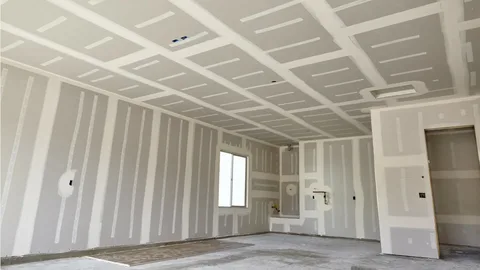
- Joint treatment: Apply joint tape and compound to panel connections.
- Surface preparation: Sand and inspect the finished surface before painting.
Moreover, installers should pay close attention to corners and openings. These areas often require additional cutting and finishing work.
Homeowners should also discuss project expectations before installation begins. Clear communication helps everyone understand the schedule, materials, and finishing requirements.
Common Drywall Problems and How to Address Them
Interior walls experience regular wear. Furniture movement, household activities, moisture, and building movement can affect their condition over time.
Small dents and minor surface imperfections may require simple repairs. However, recurring cracks or moisture-related damage deserve closer attention.
Recognizing Issues Before They Become Larger
Quality residential drywall services in La Mision Village, CA begin with identifying the actual cause of a problem. Simply covering a damaged area may not provide a lasting solution.
Homeowners should consider these five practical inspection points:
- Small holes: Check whether damaged areas need patching or panel replacement.
- Visible cracks: Examine cracks to determine whether movement caused them.
- Loose joints: Look for separation along panel connections.
- Water stains: Investigate moisture sources before replacing affected material.
- Uneven surfaces: Check whether previous repairs need additional finishing.
Furthermore, water-damaged materials may require replacement. Installers should address the moisture source before closing the wall again.
Likewise, recurring cracks may indicate movement or framing concerns. A qualified professional can assess the area and recommend suitable repairs.
Planning a Successful Drywall Remodeling Project
Good project planning helps homeowners control costs, reduce delays, and achieve consistent results. Before starting, consider the room’s condition and the type of improvement required.
Some projects involve installing panels in a new room. Others require removing damaged sections, repairing framing, or updating existing walls. Therefore, each project needs an appropriate work plan.
Five Practical Steps for Better Project Results
An expert drywall installation plan should consider these five factors:
- Define the scope: Decide which walls and ceilings need attention.
- Set a realistic budget: Include materials, labor, preparation, and finishing.
- Choose suitable materials: Match panel types to room conditions.
- Discuss the finish: Confirm whether the project requires a smooth or textured surface.
- Review the completed work: Inspect joints, corners, and surfaces before painting.
Additionally, homeowners should ask about cleanup and project timelines. These details help prevent confusion during remodeling.
Poseidon Remodeling considers the details that influence residential remodeling results. Clear communication and careful preparation help homeowners understand each stage of their project.
Conclusion
Well-finished interior walls contribute to a home’s comfort, appearance, and overall condition. However, achieving a consistent finish requires suitable materials, accurate measurements, and careful workmanship. Homeowners should consider these factors before starting installation or repair work.
For residents planning interior improvements, reliable professional drywall services in East Side Capistrano, CA, can help address damaged surfaces, new wall installations, and remodeling requirements. Similarly, homeowners in La Mision Village can benefit from reviewing their room layouts and material needs before beginning a project.
The best results start with a clear understanding of the work involved. Therefore, inspect existing surfaces, identify any moisture concerns, and discuss suitable materials with an experienced remodeling professional. Moreover, ask about preparation, joint finishing, surface inspection, and cleanup.
A properly planned project can make future painting and decorating easier. It also creates a more consistent appearance throughout the home. Whether you are updating one room or renovating several interior spaces, thoughtful decisions help support lasting results.
FAQs
What is drywall used for in residential homes?
Drywall creates interior walls and ceilings. It provides smooth surfaces for painting, wallpaper, and other decorative finishes.
How long does drywall installation take?
The timeline depends on room size, project complexity, and finishing requirements. Larger projects generally require more preparation and drying time.
Can damaged drywall be repaired without replacing the entire panel?
Yes. Small holes, dents, and minor cracks can often be repaired with patching materials and joint compound.
Which drywall is suitable for bathrooms?
Moisture-resistant drywall may suit certain bathroom areas. However, wet zones require appropriate waterproofing materials and systems.
Should drywall be finished before painting?
Yes. Installers should tape joints, apply joint compound, sand surfaces, and inspect the finish before applying primer and paint.