Planning a kitchen remodel can feel booring when you’re staring at cabinet specs and trying to figure out what will actually fit. I’ve worked with hundreds of homeowners who thought they ordered the right size cabinet, only to discover it didn’t fit their space or work with their appliances. The good news? Understanding standard kitchen sizes takes the guesswork out of cabinet shopping.
In this guide, I’ll walk you through every size cabinet you need to know about, from base cabinets to wall units to tall pantry storage. Whether you’re replacing a single cabinet or planning a complete kitchen renovation, knowing these standard dimensions will save you time, money, and frustration.
Why Kitchen Cabinet Sizes Matter More Than You Think
Every kitchen starts with the right cabinet dimensions. Without accurate measurements and proper sizing, you risk:
- Wasted counter space: from cabinets that don’t align with appliances
- Dead zones: where you can’t reach stored items
- Poor workflow: when your work triangle gets disrupted
- Costly returns: when cabinets don’t fit your layout
Most stock and semi custom cabinets follow industry-standard measurements. This standardization means you can mix and match from different manufacturers while maintaining a cohesive look. It also makes replacement and upgrades much simpler down the road.
The kitchen furniture size you choose impacts everything from how comfortably you can prep meals to how much storage you have for groceries. Let’s break down each cabinet type so you know exactly what to order.
Sizes of Standard Kitchen Cabinets
For clear and direct understnading:
| Cabinet Type | Height By (inches) | Depth By (inches) | Width (inches) |
| Base cabinets | 34.5 high | 24 deep | 12 to 48 wide |
| Wall cabinets | 12 to 42 high | 15 to 24 deep | 12 to 36 wide |
| Tall cabinets | 84 to 96 high | 12 to 24 deep | 12 to 36 wide |
| Pantry cabinets | 84 to 96 high | 12 to 24 deep | 12 to 36 wide |
| Oven cabinets | 27 to 29 tall | 22 to 24 deep | 24, 27, or 30 wide |
Base Kitchen Cabinet Dimensions: Your Foundation
Base cabinets form the foundation of any kitchen layout. They support countertops, house sinks and dishwashers, and provide the bulk of your accessible storage. Getting these measurements right ensures comfortable work heights and proper appliance fit.
Standard Height for Base Cabinets
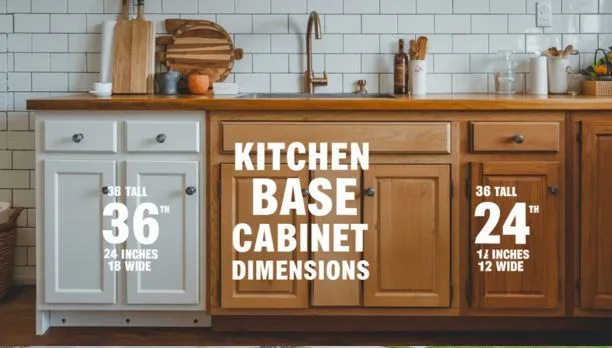
The industry standard base cabinet height measures 34.5 inches without a countertop. When you add a standard countertop (typically 1.5 inches thick), your total work surface sits at 36 inches from the floor. This height works for most people and creates an ergonomic workspace for food prep and cooking.
Some kitchens require different heights:
- Wheelchair-accessible kitchens: 32 inches total height
- Taller individuals: Up to 38 inches with custom countertops
- Toe kick space: The bottom 4.5 inches creates the recessed area where your feet rest while working at the counter
The toe kick isn’t just for comfort. It helps you stand closer to the counter without bumping your knees, reducing back strain during long cooking sessions.
Depth Measurements for Base Units
Standard base cabinet depth measures 24 inches from the front edge to the wall. This depth allows you to reach items at the back without overextending. When you add a countertop with its typical 1-inch overhang, the total depth becomes 25 to 26 inches.
Why 24 inches? Anything deeper makes the back of the cabinet practically inaccessible. You’d need pull-out shelves or lazy susan hardware to reach stored items. Corner base cabinets sometimes go deeper (36 inches diagonal) to maximize that awkward corner space, but these always include specialized storage solutions.
Width Options for Maximum Flexibility
Base cabinet widths start at 12 inches and go up to 48 inches, increasing in 3-inch increments. This gives you options like:
- 12, 15, 18 inches: Perfect for narrow spaces, spice pullouts, or filler gaps
- 24, 30, 36 inches: Most common widths for general storage
- 42, 48 inches: Large cabinets for pots, pans, and bulk storage
The size cabinet you choose for specific locations depends on what you’re storing. Sink bases typically measure 30 to 36 inches wide to accommodate plumbing fixtures and garbage disposals. Cooktop bases need 30 to 36 inches for proper ventilation clearance.
Filler cabinets in 3, 6, or 9-inch widths help you fine-tune your layout when measurements don’t work out to exact 3-inch increments.Look, we’ve been there with tons of families at Poseidon Remodeling. Made mistakes, learned lessons, figured stuff out. This guide? It’s us just keeping it real about what actually matters when you’re picking cabinets. No fluff, just truth.
Wall Cabinet Sizes: Maximizing Vertical Storage
Wall cabinets mount above your countertops and base units. They’re the most visible cabinetry in your kitchen, so getting both the dimensions and placement right matters for both function and aesthetics.
Height Variations for Different Ceiling Heights
Unlike base cabinets with their standard height, wall cabinets come in multiple height options:
- 12 to 15 inches: Short cabinets for above refrigerators or in kitchens with soffits
- 18 to 24 inches: Mid-height units for standard installations
- 30 to 36 inches: Full-height cabinets that leave room for crown molding
- 42 inches: Extends to 8-foot ceilings without additional trim
- 48 to 54 inches: Maximizes storage in kitchens with 9 or 10-foot ceilings
The standard clearance between your countertop and the bottom edge of wall cabinets measures 18 inches. This gives you enough space for small appliances, backsplash installation, and comfortable food prep without banging your head.
Many modern kitchens now run cabinets all the way to the ceiling. This eliminates the dust-collecting gap above cabinets and provides extra storage for items you don’t use daily.
Depth for Wall Units
The standard wall cabinet depth is 12 inches. This shallower depth compared to base cabinets serves two purposes:
- Prevents obstruction of your counter workspace
- Maintains an open feel in the kitchen without cabinets looming overhead
Some wall cabinets come in 15, 18, or 24-inch depths for specific applications. The 24-inch depth cabinets typically go above refrigerators to create a built-in look that matches the appliance depth.
Remember that deeper wall cabinets can make your kitchen feel cramped and reduce your working counter space. Stick with the standard 12-inch depth unless you have a specific reason to go deeper.
Width Standards
Wall cabinet widths follow the same 3-inch increment system as base cabinets, ranging from 12 to 48 inches. Common sizes include:
- 12, 15, 18 inches: Narrow cabinets for tight spots or single-door units
- 24, 30, 36 inches: Standard double-door configurations
- 42, 48 inches: Wide units that may have two or three doors
Wider cabinets (36 inches and up) typically feature double doors for easier access. Single-door cabinets wider than 18 inches can feel awkward and swing too far into your workspace.
Tall Kitchen Cabinet Dimensions: Pantry and Utility Storage
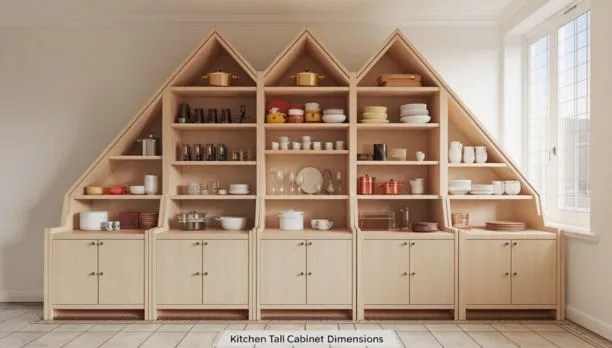
Tall cabinets, often called pantry or utility cabinets, extend from floor to ceiling. They provide massive storage capacity and work perfectly in narrow spaces where you need vertical storage without eating up floor area.
Height Options for Tall Cabinets
Standard tall cabinet heights include:
- 84 inches: Pairs with 30-inch wall cabinets in 8-foot ceiling kitchens
- 90 inches: Works with 36-inch wall cabinets
- 96 inches: Extends almost to standard 8-foot ceilings
These cabinets typically split into two sections. The bottom section measures 54 inches high with a 4.5-inch toe kick and usually contains 2 to 3 adjustable shelves. The top section varies between 30, 36, or 42 inches depending on the total cabinet height.
The top of tall cabinets should align with the top of your wall cabinets to create a cohesive, built-in appearance across your kitchen.
Depth and Width for Pantries
Tall cabinet depth matches either wall cabinets (12 inches) for shallow pantries or base cabinets (24 inches) for deeper storage. The 24-inch depth pantries work better for storing bulk items, small appliances, and cleaning supplies.
Standard widths include 18, 24, 30, and 33 inches. These narrower widths compared to base cabinets make tall units easier to fit into tight spaces without overwhelming the room.We’ll help you figure out what actually makes sense for your space. Adding cabinets? Replacing old busted ones? Whatever. We just wanna make sure they fit right and don’t look janky in your kitchen or kitchen cabinet replacement.
How to Choose the Right Cabinet Sizes for Your Kitchen
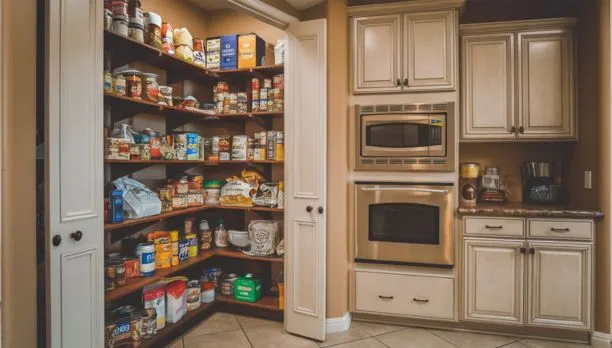
Now that you know the standard kitchen cabinet sizes, how do you decide what goes where? Here’s my practical approach based on years of kitchen design:
Start with Your Work Triangle
The work triangle connects your sink, stove, and refrigerator. No single leg of this triangle should exceed 9 feet, and the total perimeter should stay between 13 and 26 feet. Cabinet placement must preserve this workflow.
Oversized cabinets or poor placement disrupts this efficient movement pattern. Map out your appliance locations first, then fit cabinets around them.
Match Cabinets to Appliance Dimensions
Standard appliances have predictable sizes:
- Refrigerators: 30 to 36 inches wide, 24 to 27 inches deep
- Dishwashers: 24 inches wide, 24 inches deep
- Ranges: 30 or 36 inches wide
- Microwaves: 24 to 30 inches wide (for over-range models)
Your cabinets need to accommodate these dimensions plus necessary clearances for ventilation and door swings. For example, a dishwasher needs a 24-inch base cabinet opening plus 1 to 2 inches on each side for installation clearance.
Above-refrigerator cabinets should match or slightly exceed the fridge depth to create that built-in appearance. A standard 12-inch wall cabinet above a 27-inch deep fridge looks awkward and unfinished.
Consider Your Storage Needs
The kitchen furniture size you select should match what you’re storing:
- Cookware: Deep base cabinets (24+ inches) with pull-out shelves
- Dishes and glasses: 12-inch wall cabinets work perfectly
- Pantry items: 24-inch deep tall cabinets maximize storage
- Spices and oils: Narrow 9 to 12-inch pullouts keep everything visible
Corner cabinets deserve special attention. Standard corner base cabinets measure 36 inches per wall in an L-shape configuration. These typically include lazy susans or pull-out shelf systems to make that deep corner space accessible.
Account for Kitchen Layout Style
Different kitchen layouts work better with specific cabinet configurations:
Galley kitchens: Use 12-inch deep wall cabinets on both sides to prevent a cramped feeling. Keep the aisle at least 42 inches wide for comfortable movement.
L-shaped kitchens: Maximize corner storage with 36-inch corner base cabinets. Use the longer wall for your primary workspace with standard 24-inch base cabinets.
U-shaped kitchens: Balance cabinet heights across all three walls. Avoid floor-to-ceiling cabinets on more than one wall to prevent a closed-in feeling.
Island kitchens: Island base cabinets typically use standard 24-inch depth, though some designs go deeper (30 to 36 inches) if the island isn’t used for seating.
Common Cabinet Sizing Mistakes to Avoid
After installing hundreds of kitchens, I’ve seen these mistakes repeatedly:
Ignoring Clearance Requirements
Building codes and appliance manufacturers specify minimum clearances:
- 15 inches minimum between cooktop and wall cabinets
- 30 inches recommended between cooktop and wall cabinets
- 24 inches between dishwasher and island
- 42 inches minimum aisle width (48 inches preferred for two-cook kitchens)
Squeezing cabinets too close creates safety hazards and makes your kitchen frustrating to use.
Forgetting About Door Swings
A 36-inch wide cabinet with two 18-inch doors requires 18 inches of clearance for the doors to open fully. If your island sits 20 inches away, those doors will hit the island.
Calculate door swing clearances before finalizing cabinet placement. Corner cabinets need special attention since doors can interfere with adjacent cabinet access.
Mixing Standard and Custom Sizes Unnecessarily
Custom cabinets cost 30 to 50% more than stock sizes. Before ordering custom dimensions, check if standard sizes can work with filler strips or small layout adjustments.
For example, a 33-inch gap might tempt you to order a custom 33-inch cabinet. But a standard 30-inch cabinet with a 3-inch filler strip costs significantly less and achieves the same result.
Overlooking Accessible Storage
Cabinets higher than 72 inches become difficult to access without a step stool. The top shelf in an 84-inch pantry cabinet is essentially storage for items you never use.
Place frequently used items between 15 and 72 inches off the floor. Reserve very high and very low spaces for seasonal or rarely used items.
Why Choose Poseidon Remodeling for Your Kitchen
when it comes to putting together a kitchen that actually works for you and looks amazing, getting the right cabinet sizes is just as important as picking good materials and finding people who know what they’re doing. That’s where we come in. Expertise in Kitchen Remodeling in oceanside:
A successful kitchen remodel requires experience, precision, and an understanding of kitchen cabinet sizes that work best for your space. At Poseidon Remodeling, we bring years of expertise to every project, ensuring:
- A design that’s actually smart where everything has a place and you’re not playing Tetris with your pots and pans every time you cook
- Installation that’s so smooth, your cabinets look like they were always meant to be there
- A kitchen that looks awesome AND functions well for the long haul, not just until the novelty wears off
We basically follow all the best practices for kitchen renovations, so you end up with a space that works for how you actually live, not just how it looks in magazines. Affordable Pricing and High-Quality Materials:
Final Thought
This is the bottom line nailing your Standard Kitchen Cabinet Sizes that makes all the difference. It’s what separates a kitchen you love from one that constantly annoys you. The right heights, depths, and widths mean more storage, smoother cooking, and way less headache.
At Poseidon Remodeling, we make sure everything fits your space like a glove standard or custom, whatever works best for you. Get a Free Quote today let’s create that space where you’ll actually want to spend time, not just survive in!
FAQs
What are the standard kitchen cabinet sizes?
Standard kitchen cabinets come in set dimensions to ensure consistency and functionality. Base cabinets are typically 34.5 inches high, 24 inches deep, and range from 9 to 48 inches wide. Wall cabinets have a standard depth of 12 inches and vary in height from 12 to 42 inches. Tall pantry and oven cabinets generally measure 84 to 96 inches in height.
How do I choose the right standard kitchen cabinet sizes for my space?
The right cabinet sizes depend on your kitchen layout, storage needs, and appliance placements. It’s important to consider factors like cabinet height, depth, and width to ensure a smooth workflow. Poseidon Remodeling provides expert guidance to help you select the best sizes for your kitchen remodel.
Can I modify standard kitchen cabinet sizes to fit my kitchen?
While standard cabinet sizes work for most kitchens, customization is an option for unique spaces. Adjusting cabinet height, depth, or width can improve storage efficiency and design flow. Poseidon Remodeling offers both standard and custom cabinetry solutions to fit your needs.
What is the best cabinet depth for maximizing storage?
Standard base cabinet depth is 24 inches, while wall cabinets are typically 12 inches deep. Pantry and tall cabinets range from 12 to 24 inches in depth. The right depth depends on your kitchen layout and how much storage you need without compromising accessibility
Where can I find high-quality standard kitchen cabinets for my remodel?
If you’re looking for expert craftsmanship and top-quality materials, Poseidon Remodeling is your go-to choice. We offer a range of standard kitchen cabinet sizes, custom solutions, and professional installation to ensure your kitchen is both stylish and functional. Contact us today to start your kitchen transformation!