
Your kitchen layout is at the root of every delicious and every disappointing, culinary endeavor. Before even selecting cabinet styles or countertop finishes, your floor plan will determine how smoothly and safely you move through your kitchen, as well as determining its lasting value for years to come. At Poseidon Remodeling, we understand first-hand how the right layout can transform an inefficient, disorganized kitchen into something which works better for those living there.
This guide presents 2026’s most effective kitchen floor plan ideas, featuring precise measurements, current design trends and examples from real remodels, using precise measurements, current design trends and practical examples from real remodels. No matter whether your space is 75 square feet or 300 plus square feet large, here you will find layout options to meet both space, lifestyle and budget constraints.
What Is a Kitchen Floor Plan?
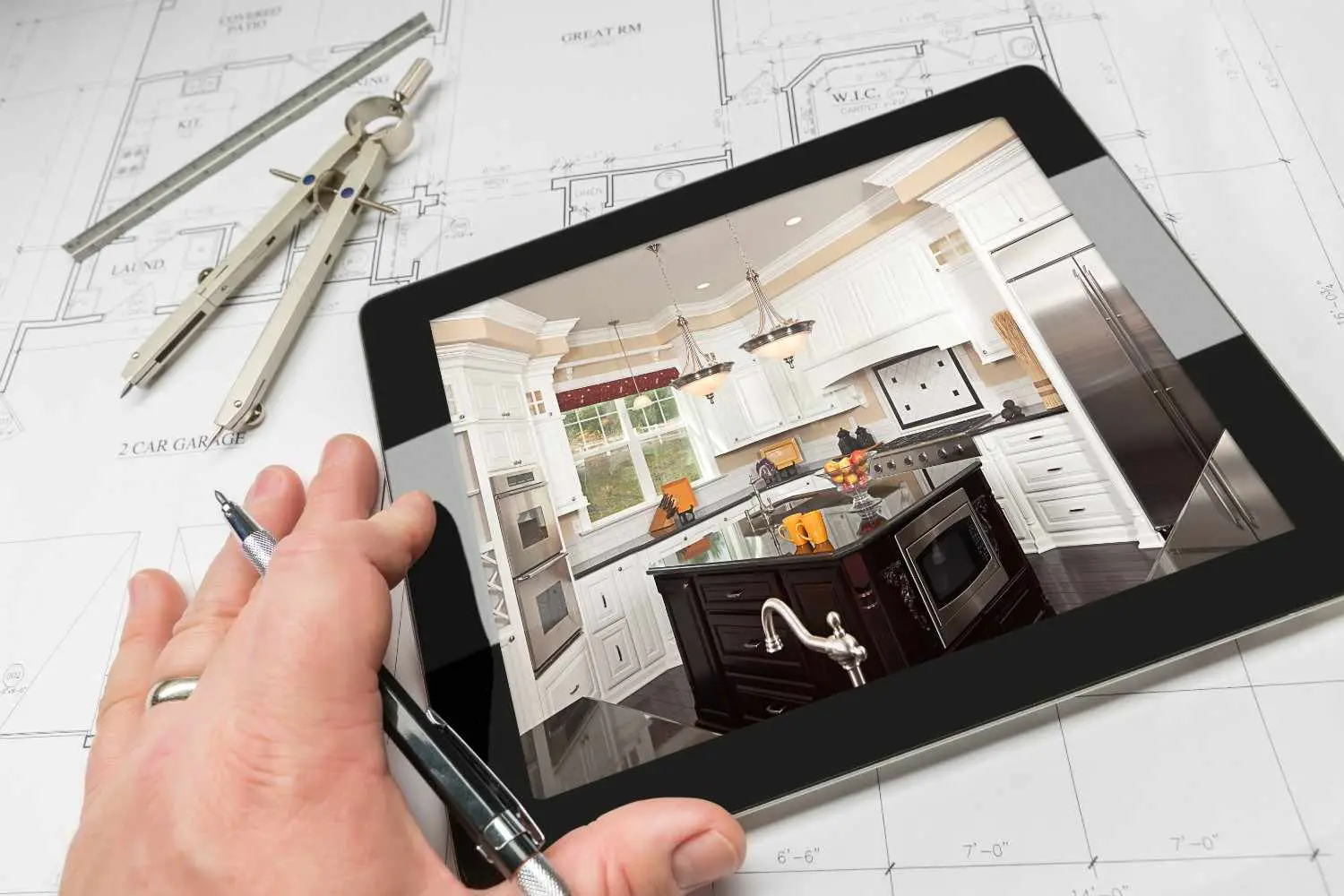
A kitchen floor plans maps out the arrangement of cabinets, appliances, countertops, and workspaces within your kitchen. It goes beyond aesthetics to create an efficient cooking environment that supports your daily routines.
Modern kitchen planning considers:
- Traffic patterns and movement flow
- Work zones for prep, cooking, cleaning, and storage
- Natural lighting and electrical placement
- Appliance positioning and accessibility
- Storage capacity and organization
- Social interaction spaces for family and guests
The difference between a good layout and a great one comes down to measurements. Standard walkways need 42 to 48 inches of clearance. Counter heights sit at 36 inches for making work and 42 inches for bar seating for refreshment. These numbers aren’t random. They come from decades of kitchen design and kitchen remodel ideas that figured out what actually works.
The 9 Best Kitchen Floor Plan Layouts for 2026
Here are the most common kitchen floor plans. Each one fits different room sizes and styles. If you want a full upgrade, these ideas also help when planning a kitchen remodeling project with Poseidon Remodeling.
1. L-Shaped Kitchen Layout
Ideal Space: 100-150 square feet
Best For: Small to medium kitchens, open-concept homes, first-time buyers
L-shaped layouts use two walls perpendicularly to each other for efficient workspace while leaving enough open space at its core for movement or possible island placement.
Optimal Dimensions for Work Triangle Total 15-22 feet. Short Wall 8-10 Feet, Long Wall 10-15 Feetot Walkway Clearance 42-48 Inches.
- Advantages: An efficient use of corner space that opens onto surrounding living areas.
- Accommodates small islands (if space allows); is perfect for 2-3 cooks, and offers cost-effective installation costs
Cost Range 2025:
- Between: $10,000-$15,000
- Midrange: from $15,000-$25,000
- Premium: $25,000-$35,000
Design Tips from: Whilst in terms of plumbing it would be best positioned near one corner, when placing fridge next to sink allowing easier access.
Install corner solutions such as lazy susans (ranging between $200-$500). For added seating needs (costing anywhere from $2,500-$5,000). Add peninsula seating solutions. 2026 Upgrade: Integrate LED strip lighting under cabinets ($150-$300), install smart outlets inside drawers for device charging ($150-$250 each), and consider two-tone cabinetry with upper cabinets in lighter tones.
2. U-Shaped Kitchen Layout
Ideal Space: 150-250 square feet
Best For: Families, serious home cooks, homes requiring maximum storage
U-shaped kitchens provide you with plenty of workspace on three sides, delivering exceptional storage and counter space while creating natural work zones.
Optimal Dimensions:
- Each wall: 8-13 feet
- Center clearance: 5-8 feet minimum
- Work triangle: 13-26 feet total
- Minimum room size: 10×10 feet
Advantages:
- Maximum storage capacity (30-40 cabinets possible)
- 10-15 linear feet of counter space
- Dedicated zones for prep, cook, and clean
- Ideal for multiple cooks
- Natural workflow efficiency
Cost Range 2026:
- (Buffer to Midrange and Premium) for Individual Housing Units in 2026 is as follows.
- (Initial Budget of $15,000-$22,000. Mid-Range of $22,000-$35K and subsequent Budget increases). (For Residential properties).
Design Tips:
- Install corner pullout systems ($400-$800 per corner)
- Position sink on the center wall
- Place stove and refrigerator on opposite walls
- Use lighter upper cabinets to prevent closed-in feeling
- Consider removing upper cabinets on one wall for windows
Common Challenges:
- Can feel enclosed in smaller spaces
- Corner access requires specialized storage
- May limit sight lines to other rooms
Glass-front cabinets on upper walls (which add 15-25% more cabinet costs), integrated appliance panels that integrate appliances seamlessly, and using sustainable materials like bamboo or reclaimed wood accents will all become popular trends in 2026.
3. Galley Kitchen Layout
Ideal Space: 75-108 square feet
Best For: Small apartments, narrow spaces, single cooks, budget-conscious remodels
Kitchen floor plan ideas feature two parallel walls of cabinets, creating a corridor-style workspace. When properly designed, they’re among the most efficient layouts available.
Optimal Dimensions:
- At 8-12 feet in length and 48-72 inches between cabinets (60 is ideal)
- With counter depth at 24-25 inches per side.
- This kitchen requires at minimum 42 inch walkway (48 preferred)
Advantages:
- Extremely efficient workflow
- Everything within arm’s reach
- Lower installation costs
- Ideal for small footprints
- Reduces walking by 20-30% vs other layouts
Cost Range 2025:
- Budget: $8,000.- $12,000.
- Midrange (18-18k annually in UK/European markets for lease agreements).
- Premium (24K-25K).
Design Strategies:
- Offset appliances to avoid traffic conflicts
- Place sink and stove on opposite walls
- Install appliances with doors that don’t collide
- Position refrigerator at one end for guest access
- Use light colors to prevent tunnel effect
Space-Enhancing Techniques:
- Under-cabinet LED lighting ($100 to $200) should be combined with open shelves on upper sections
- Reflective backsplash materials
- Light colored flooring and strategic mirror placement to achieve optimal results.
2026 Smart Features: Motion-sensor lighting, under-cabinet charging stations, slim profile appliances (18-24 inch dishwashers), and vertical pull-out pantries in 6-9 inch gaps.
4. Single-Wall (One-Wall) Kitchen Layout
Ideal Space: 60-90 square feet
Best For: Studio apartments, ADUs, tiny homes, open-concept living, minimalist lifestyles
Single-wall kitchens consolidate all appliances and cabinetry along one wall, maximizing floor space in the rest of the room.
Optimal Dimensions:
- Wall length: 8-13 feet minimum
- Clearance in front: 4-6 feet
- Counter sections: 18-24 inches between appliances
- Total area: 75 square feet average
Advantages:
- Most affordable layout
- Opens up floor space
- Simple installation
- Works in open-concept designs
- Easy to add movable island
Cost Range 2025:
- Budget range for rentals should range between $6000-10K
- Midrange accommodations should run approximately $10,000-15.000
- Premium services, $15000-20K are usually sufficient for your requirements.
Layout Formula: Refrigerator → Prep Counter (18″) → Sink → Prep Counter (24″) → Stove → Landing Space (15″)
Maximizing Efficiency:
- Extend cabinets to ceiling for 30-40% more storage
- Install full-height pantry cabinet at one end
- Use rolling cart for additional prep space ($200-$800)
- Mount magnetic knife strips and pot racks
- Incorporate pull-out cutting boards
Island Addition: If space permits, add 3×6 foot island parallel to wall (requires minimum 13-foot room width, adds $3,000-$8,000).
5. Kitchen Island Layout
Ideal Space: 200+ square feet
Best For: Open-concept homes, families, entertainers, multi-cook households
Islands transform any basic layout into a multi-functional workspace, adding prep area, storage, seating, and a natural gathering point.
Optimal Dimensions:
Standard islands range between three and four feet by six to eight feet in size; compact islands typically measure 2-3 feet x four to five feet whilst larger island are between five to seven feet wide and eight to 10 feet in length (inch to foot) on all sides; 42-48 inch clearance around islands on all sides is essential when designing 13×13 foot kitchen spaces.
Island Functions:
- Addition of prep space (kitchen/dining table top, seating/breakfast bar area).
- More storage (cabinets/drawers).
- Integration with second sink/cooktop, provision for second dishwasher or cooktop (second sink/cooktop integration, wine fridges or microwave drawers, as needed.)
Cost Range 2025:
- Basic islands typically cost from $2500-$5000
- Midrange models range between $5,000-12,000
- Luxury custom builds often exceed this.
Seating Guidelines:
- 24 inches width per person
- 15-inch overhang for knees (12 inches if cooktop nearby)
- Bar height (42 inches) or counter height (36 inches)
- Allow 18 inches between stool seats
2025 Island Trends:
- Two-tier islands (36″ work surface, 42″ dining height)
- Waterfall edges on one or both sides
- Contrasting island color (navy, forest green, black)
- Integrated charging stations and outlets
- Pop-up electrical outlets on surface
- Hidden storage with touch-latch doors
Smart Features: Built-in tablets for recipes, wireless charging pads embedded in counter, under-counter refrigerator drawers, and compost drawers with odor control.
6. Peninsula (G-Shape) Kitchen Layout
Ideal Space: 140-200 square feet
Best For: Medium kitchens, alternative to islands, semi-open layouts, budget-conscious island needs
Peninsula layouts attach a counter extension to existing cabinetry, creating an island-like element without requiring additional floor space.
Optimal Dimensions:
- Peninsula length: 4-6 feet
- Peninsula width: 24-36 inches
- Clearance on open side: 42-48 inches
- Base kitchen minimum: 10×12 feet
Advantages:
- Cheaper than standalone islands
- Defines kitchen zone in open layouts
- Adds seating without full island investment
- Creates natural traffic flow
- More stable than islands (attached to structure)
Cost Range 2025:
- Budget: $2,000-$4,000
- Mid-range: $4,000-$8,000
- Premium: $8,000-$15,000
Design Considerations:
- Reduces entry points to kitchen
- May interfere with appliance door swings
- Consider peninsula placement for optimal flow
- Can add visual separation without full walls
Best Combinations:
- L-shaped kitchen + peninsula = G-shape
- U-shaped kitchen + peninsula = enclosed workflow
- Single-wall + peninsula = separated work zones
Peninsula Enhancements: Install outlets on the side for small appliances, add open shelving on living room side for display, incorporate wine storage or cookbook shelving, and use decorative end panels facing social areas.
7. Open-Concept Kitchen Layout
Ideal Space: 250+ square feet combined kitchen-living
Best For: Modern homes, families, entertainers, home value increase
Open-concept removes walls between kitchen, dining, and living areas, creating fluid, connected spaces.
Planning Requirements:
- Structural assessment for load-bearing walls
- Enhanced ventilation (600+ CFM range hood)
- Cohesive design across all zones
- Strategic sight line planning
- Noise management considerations
Cost Range 2025:
- Standard wall removal costs range between $1,000-$3,001
- Load-bearing wall removal: 3,000-010,000
- Remodel projects typically run between $25000-88000+
Essential Elements:
- Island or peninsula for zone definition
- Consistent flooring throughout (saves $3-$8 per sq ft)
- Coordinated color schemes (60-30-10 rule)
- Upgraded appliances (guests see everything)
- Superior organization systems
Ventilation Requirements:
- 300 CFM minimum for standard cooking
- 600-900 CFM for professional ranges
- Under 50 decibels for noise control
- Make-up air systems for 400+ CFM (code required)
2026 Open-Concept Trends:
- Broken-plan design (partial walls, screens)
- Distinct flooring in kitchen zone
- Ceiling definition (beams, drops, different heights)
- Statement lighting over island
- Acoustic treatments in ceiling
8. Galley with Island Layout
Ideal Space: 150-220 square feet
Best For: Narrow but long rooms, maximum efficiency with social space
This hybrid combines galley efficiency with island functionality, ideal for rooms 12+ feet wide.
Optimal Dimensions:
- Galley width: 48-60 inches
- Island size: 2×4 to 3×5 feet
- Clearance: 42 inches minimum on both sides
- Total room width: 12-15 feet minimum
Advantages:
- Maintains galley efficiency
- Adds social/dining element
- Increases storage by 30-50%
- Creates distinct work zones
- Perfect for two-cook households
Cost Addition: Adding island to galley costs $2,500-$7,000 depending on features and finishes.
9. Zone Kitchen Layout
Ideal Space: 300+ square feet
Best For: Luxury homes, serious cooks, multiple-cook households, aging in place
Zone kitchens organize space into distinct functional areas rather than following traditional layouts. Popular in 2025 as alternative to rigid work triangle concept.
Common Zones:
- Prep Zone consists of sink, cutting boards and vegetable storage.
- Cooking Zone contains stove/oven/spice rack/compost bin.
- Cleaning Zone contains dishwasher.rash can/compost and cleaning supplies.
- Storage Zone contains pantries/bulk storage/small appliances.
- Baking Zone: Separate counter, mixer and baking supplies.
- Beverage Zone: Coffee station with water filter system and beverage refrigerator.
Design Principles:
- Each zone is self-sufficient
- Duplicate items (knives, cutting boards) in multiple zones
- Strategic appliance placement supports specific tasks
- Zones accommodate 2-4 simultaneous cooks
Investment: Zone kitchens typically run $50,000-$150,000+ due to size, multiple work stations, and duplicate appliances/fixtures.
2026 Zone Enhancements: Separate prep sinks, dual dishwashers, multiple refrigeration points, dedicated coffee stations, and beverage centers with wine storage.
We Do This Stuff: We handle it all. Check if your walls matter, get the boring permits, deal with contractors, make sure the city doesn’t shut you down. Do a ton of kitchen remodel in Oceanside open kitchens and beach houses just go together.
Modern Design Ideas That Upgrade Any Floor Plan
You can improve any of these kitchen floor plans with simple changes that support better use of space. Here are ideas that work across all layouts.
You don’t gotta tear everything apart to fix your Kitchen Floor Plan Ideas. Just do this stuff:
Pull-Out Pantries: Those skinny slide-out things? Fit in tiny 6-inch gaps. All your spices and random cans finally have a home. Stick one by the fridge or oven. Like $200 to $500. Done.
Two-Level Islands: One-height islands are lazy. Make one side 36 inches for cooking, other side 42 for sitting. Now people aren’t hunched over eating. Costs $500 to $1,500 extra but way better.
Under-Cabinet Lights: Those little LED strips so you can actually see what you’re chopping instead of working in the dark like a caveman. $50 to $150 per run. Last like 20 or 50 thousand hours or whatever. Getting the ones that turn on when you walk up feels like the future.
Stop Wasting Corners: Corner cabinets where stuff goes to die? Get a lazy susan for $150 to $300. Or those fancy pull-out corner things for $300 to $600 where you can actually reach your stuff. Diagonal drawers work for $200 to $400.
Use the Ceiling: Stop with those short cabinets that leave a gap at the top. Go as high as you can go. You get about 30% to 40% more space. Costs $1K to $3K but now you’re not playing Tetris with your pots.
Traffic Jams Suck: Keep walkways at least 42 inches. 48 if two people need to squeeze by. Don’t stick your stove where everyone walks, you’ll burn someone. Put the fridge by the door so your kid can grab juice without standing right where you’re trying to cook.
Hide the Clutter: Toaster, coffee maker, all that crap taking up counter space hide it behind doors that flip up or roll down. $300 to $800. Your counter finally looks clean.
Charge Your Stuff: Outlets inside drawers for phones. No more cords everywhere. Needs special outlets, costs $150 to $300 each. So worth it.
Lighting That Doesn’t Suck: Need three types. Ceiling lights so it’s not dark. Under-cabinet strips so you see what you’re doing. Little accent lights to make it look nice. The whole thing’s $2K to $5K but your kitchen won’t feel like a dungeon anymore.
How to Choose the Right Kitchen Layout for Your Home
Measure Your Space First: Grab a tape measure and measure your kitchen. Seriously, measure it all. Where’s your windows at? Doors? You can’t move those so you’re stuck with them. Get the width, length, ceiling height. Write down how far stuff is from the walls. Sounds boring but you need this.
What Size You Working With:
- Not more than 100 square feet: Galley or one wall. That’s it.
- 100-150 sq ft: L-shaped’s your best bet
- 150-200 sq ft: U-shaped or L-shaped with a tiny island maybe
- 200-250 sq ft: Island, peninsula, G-shaped you got options
- 250+ sq ft: Go crazy. Multiple islands even.
Family Size Considerations:
- 1-2 people: Any layout works, focus on efficiency
- 3-4 people: Need space for 2 cooks, L or U-shape ideal
- 5+ people: Multiple work zones essential, island or zone design
Quick Selection Checklist:
- Measure your space and note fixed elements
- Count regular cooks and peak kitchen usage
- Please make a goal that can be achieved with with 15% a buffer
- Make a list of features that are necessary and those that are pleasant to have.
- Have to consider resale value for your neighborhood
- Check building codes for your area
- Plan for future needs (aging in place, growing family)
How Many Cooks? Just you? Galley or L-shaped is fine. Is the whole family there? U-shape or island so you’re not all on top of each other. Three or more people cooking? You need zones with separate work areas or someone’s getting elbowed.
How You Actually Cook: Make dinner every night with complicated stuff? U-shaped or zones with tons of counter space. Mostly order takeout? Simple galley works. Baker? You need counter space and ideally marble for rolling dough and stuff.
Money’s Gonna Decide This: Just painting cabinets and swapping fixtures? $5K to $15K. Moving appliances around? $15K to $40K. Knocking down walls and moving pipes? $40K and up. Luxury remodel? Over $100K easy.
What You Can’t Change: Load-bearing walls hold up your house can’t just yank them out without engineers and beams and drama. Moving plumbing costs $1K to $3K per sink or whatever. Gas lines need a pro, another $500 to $2K. Honestly? Work with what you got if you wanna save money.
Common Mistakes to Avoid When Planning Your Kitchen Layout
Don’t Put Your Stove Where People Walk: Hot pans and flames where everyone’s squeezing by? That’s how you burn someone. Keep cooking stuff away from doorways and where people walk through. Leave at least 15 inches of counter on each side of your stove so you have somewhere to put hot stuff down.
Giant Islands Are the Worst: Huge island sounds cool until you can’t walk around it. Leave 42 to 48 inches on all sides or you’re just squeezing by constantly. Kitchen under 13 by 13 feet? Forget the island. Get a peninsula or one of those rolling cart things instead.
Put Appliances Where They Make Sense: Dishwasher goes within 36 inches of the sink or loading sucks. Microwave at a normal height you can reach like 15 to 48 inches up. Make sure your fridge door opens all the way. So many kitchens trap the door at 90 degrees and then you can’t get the shelves out. Annoying as hell.
Give Yourself Landing Zones: At least 15 inches of counter by your stove, 18 inches by your fridge. Otherwise where are you gonna put down that heavy pot or bag of groceries? Building codes actually require this now in most places.
Work Triangle Still Matters: Sink to stove to fridge should add up to like 13 to 26 feet total. Less than 13? Too cramped. More than 26? You’re hiking around your kitchen. Each leg should be 4 to 9 feet.
Lighting’s a Big Deal: Need three kinds. Ceiling lights for overall brightness. Under-cabinet strips so you can see what you’re doing. Little accent lights to make it look nice. Budget at least $2K to $5K or your kitchen’s gonna be dark and depressing.
Get a Real Range Hood: Needs to move 100 CFM per foot of cooktop width. 30-inch stove? minimum between 250 to 300 CFM. Big fancy pro range? 600 to 1200 CFM. Over 400 CFM might need makeup air or the city won’t sign off on it.
Counter Height Isn’t One-Size-Fits-All: Standard’s 36 inches. Works if you’re like 5’4 to 5’10. Taller? Go 37 or 38 inches. Shorter or in a wheelchair? 32 to 34 inches. Got different heights of people cooking? Make some sections adjustable.
You Need More Outlets: Code says every 4 feet along the counter. Make sure you have dedicated circuits for microwave, fridge, dishwasher. Throw in some USB outlets too for phones and stuff. Nothing worse than hunting for a place to plug in your blender.
Need a Custom Floor Plan? Poseidon Remodeling Can Help
If you want a kitchen plan shaped for your home, W offers full Kitchen Remodeling services. We design floor plans that match your space, style, and budget. Our team measures your current layout and discusses what works and what doesn’t.
We show you different kitchen floor plan ideas with kitchen trends 2025 using our project pictures and drawings for your better understanding. Then we handle the full kitchen remodeling process, from permits to final touches.We work throughout the local area and understand regional building codes.
Our Process:
- Free consultation to discuss your needs and budget
- Detailed measurements and structural assessment
- Custom floor plan options with 3D renderings
- Material selection from our supplier network
- Permit handling and code compliance
- Professional installation by licensed contractors
- Final walkthrough and warranty coverage
Local Experts: We work all over our local area and know what the local building codes want. We’ll use every inch of your space wisely and not break the bank. People have given us 4.9 out of 5 stars for more than 500 kitchens. Pretty solid.
Get You Free Quote: today to schedule a consultation and start planning your dream kitchen. We’ll turn your kitchen ideas into reality with solid design and quality work that lasts.
Conclusion
A strong kitchen plan can change how your home feels. These kitchen floor plan ideas give you a guide to design a room that works with your daily routine. If you want expert help, Our experts can build a layout that fits your home and your goals. Reach out for a custom plan that upgrades your space.
FAQs
How do you arrange a kitchen in the best way?
The layouts that usually work the best are galley and U-shaped. They keep your stove, sink, and fridge close enough that cooking feels easy instead of tiring.
What is the most efficient kitchen layout?
U-shaped layouts are the most efficient for single cooks. Everything stays within easy reach, and you get 10 to 15 linear feet of counter space. For multiple cooks, an L-shaped kitchen with an island creates separate zones so people don’t collide. The work triangle in U-shapes measures 13 to 22 feet total, minimizing wasted steps.
How can I tell if an island will fit?
First, test to see if you can leave about three feet of space around every side of the island. If you can give it four feet, even better. That’s when the kitchen feels open and comfortable to walk through. What’s the best setup for a small kitchen? L-shaped, single-wall, and galley layouts will tend to make life easier in a tight space. They keep everything within reach without making the room feel too crowded.
Best layout for small kitchens?
Galley and L-shaped designs work best in small kitchen spaces under 100 square feet. Both put everything within reach and don’t waste floor space. In super-tight kitchens, skip the island entirely and focus on smart storage solutions such as pull-out pantries and vertical cabinets instead. A single-wall layout works well in studios under 75 square feet.