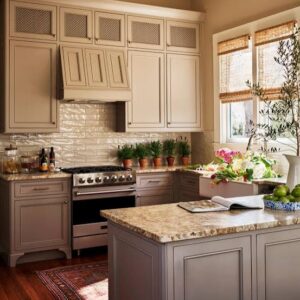

Ending a backsplash on an open wall looks simple, but it is one of the easiest places to make a kitchen look unfinished. Many homeowners install excellent tile, then stop it the wrong way. The result feels awkward and rushed.
Knowing How to End a Backsplash on an Open Wall helps your kitchen look planned, balanced, and professional. This guide breaks it down step by step using real layouts, proven methods, and installer logic.
Why Open Walls Make Backsplash Design Tricky
How to End a Backsplash on an Open Wall? An open wall has no cabinet, corner, or trim to hide mistakes. Tile ends in plain sight. That is why poor planning stands out fast.
When homeowners search how to end backsplash on open wall, they usually fear one thing. The tile will look chopped off or random. That fear is valid.
Open walls need a clear stopping point. That point must match sightlines, counter depth, and wall transitions. At Poseidon Remodeling, we usually align the tiles at the top or along the wall cabinetry to create a clean edge and a neat appearance.
10 Smart Ways on How to End Backsplash on Open Wall Without Breaking the Flow

How to End a Backsplash on an Open Wall? If you’re unsure where to end a backsplash, one stylish way is to taper the tiles instead of cutting them off sharply. This creative idea adds character and flow to your kitchen. In several remodeling projects I’ve worked on, I’ve seen how tapering at the top where you stagger the tiles and slowly reduce their number helps the backsplash blend into the plain wall without looking forced. It gives the design a more gradual and natural transition.
This decorative approach works best when you plan your pattern, layout, and arrangement carefully. The gentle slope creates a balanced height, smooth edge, and beautiful finish that enhances the room’s style. With the right eye for visual flow, the surface achieves a smooth blend, making your home look professionally designed and cohesive.
Define the Space

An effective way of showing how to end a backsplash on an open wall is defining a specific area with a framed section of tiling. You can tile either all or part of one wall using this approach, changing up its tile colors inside for subtle accents or using picture railing, chair railing, or trim tile as borders to distinguish each section and give a polished appearance.
This method works particularly well when installed above an upper cabinet or cooktop to define boundaries and visual separation in your kitchen. With proper planning and careful pattern layout and execution, this installation process should go smoothly while adding style and character to your interior design and keeping remodeling projects cohesive and appealing to look at.
Take the Edge Off

To make How to End a Backsplash on an Open Wall look seamless and understand how to finish tile edges on backsplash, use a bullnose trim tile from your tile collections. Match the material, color, and finish to your main tile. The rounded edges give a softer look, and the dimensions can be extended or shortened to form a neat stick-like module. This works for both top trim and side trim. If your tile doesn’t have a coordinating trim, try similar tile lines from other brands, whether stone, ceramic, or glass tile.
This approach is perfect where the backsplash meets a corner or wraps around a module, keeping a clean edge and smooth visual flow. A careful layout and installation make the kitchen remodeling in your home remodeling Oceanside CA project look polished, decorative, and complete.
Add a Finishing Trim

An efficient solution to how to end backsplash on open wall is by adding a trim that serves as a subtle band, clearly delineating it from other parts of the surface and softening and covering tile edges, providing a seamless transition. Such trims typically come in aluminum, steel, PVC, or even L-shaped profiles so as to meet both design and budgetary needs and preferences of individual homeowners.
Choose between finishes such as bronze, powder-coated white, or grey for your kitchen remodel ideas. With proper installation of tile edges on the backsplash cleanly and decoratively finished off by trim profiles, you’re able to complete this interior remodeling project seamlessly and visually appealing without needing extra help or an outside consultant. These trim profiles make it simple for homeowners who wish to learn how to finish tile edges cleanly themselves without additional costs for services rendered by professionals.
Choose the Sides

A simple way to manage how to end a backsplash on an open wall is to delineate the backsplash along the sides. You can clad the wall with tile or panel from the countertop or floor up to the ceiling, then use trim to neatly end the side edges. Another approach is to align the backsplash sides with your cabinetry, keeping height, alignment, and visual flow balanced throughout the kitchen.
Careful layout and design make the surface clean and decorative, while the edge and structure stay polished. This technique ensures your kitchen cabinet sizes and installation fit perfectly in the interior remodeling project, giving a professional finish that looks cohesive and stylish.
Set Clear Boundaries
To neatly handle how to end tile backsplash, create defined borders using trim or a contrasting tile. This helps you form taller or shorter swaths on the wall, whether near a cooktop, sink, or soffit in a kitchen. You can also use strips or slabs of kitchen or vanity countertop material instead of regular tiles to maintain visual continuity and give a polished finish.
A well-planned layout and design ensures the surface looks clean, with smooth alignment, balanced top and bottom edges, and professional edge work. Proper installation makes the sections neat and decorative, enhancing your interior remodeling project with style, cohesion, and a refined pattern that fits perfectly in your kitchen.
Add a Useful Ledge
One effective solution for How to End a Backsplash on an Open Wall? is by extending your countertop material onto it for a slim ledge at the top of the backsplash, creating an organic-looking stop point and mini shelf, perfect for spice jars, dish soap, or decorative accents. Schluter trim backsplash completes a professional and tidy appearance on its edge.
Thoughtfully planned layout and design make this surface both practical and efficient. Small storage, increased organization, and extra utility come to light through proper installation, further adding polish to interior remodeling projects with polished style, sleek edge treatment, and an attractive final product.
Add a Floating Shelf
A practical way to decide where to end the backsplash is by installing floating wall shelves. These shelves help delineate the end of your tile backsplash on walls without clear natural stopping points, like near a window or upper cabinet. They also provide extra storage space for spices, small essentials, or decorative accents, making your kitchen more functional, organized, and visually appealing.
Thoughtful layout and design ensure the surface keeps a smooth visual flow with balanced top and bottom edges. Correct installation enhances the edge, improves interior remodeling, and adds small storage, utility, and style, all while keeping your cost to renovate kitchen practical and efficient.
Stylish Wainscotting
One easy way to finish how to end backsplash on open wall is by adding wainscotting above or below your kitchen or bath backsplash. This adds depth and a touch of class while creating a bespoke look that mimics your existing millwork. For a farmhouse or cape cod aesthetic, beadboard works well, and schluter trim backsplash helps tie the paneling into the interior remodeling cleanly.
Proper installation keeps visual flow smooth, edges balanced, and the surface stylish yet functional. The right material, texture, and pattern make the layout practical and decorative, giving your kitchen or bath a polished, professional look.
Mirror as a Natural Stop
Mirrors offer an effective solution when selecting where to end a backsplash in bathroom settings that feature floor-to-ceiling tile installation, particularly those featuring full floor tiling from floor to ceiling. Their presence acts as an elegant stop without completely covering an entire wall surface while also acting as an element that lets you either tile beyond or finish underneath, keeping finishes tidy without DIY or homemade aesthetics.
Utilizing mirrors helps maintain visual flow, balance top and bottom edges, complement layout designs and design concepts, and contribute to interior remodeling projects. Selecting suitable materials, surfaces, and finishes adds a sleek, professional finish for interior remodeling projects in bathrooms and makes interior renovation more stylish than ever.
Caulk It for a Clean Finish
A simple and affordable way to end a backsplash is with careful caulking. Avoid going freehanded, as it can create a less-than-perfect mess. Use painter’s tape along the top of the tile and a tiny smidgeon above the edge to clearly delineate the area for your caulk.
Then, apply the caulk evenly using a covered finger, cloth, or caulk-specific tool, taking care to smooth and flatten the line. Remove tape carefully to reveal a crisp edge. This approach keeps your layout, surface, and design looking neat, practical, and polished, making any kitchen, bathroom, or interior remodeling project feel professional and user-friendly.
Why Homeowners Trust Poseidon Remodeling
We focus on real installs, not theory.
Our team handles full kitchens, partial upgrades, and finishing details that make kitchens feel complete.
If you are planning a remodel, our Home remodeling oceanside,ca service includes backsplash planning, layout review, and finish guidance.
Conclusion
Knowing How to End a Backsplash on an Open Wall removes guesswork from kitchen design. Clean stops, proper finishes, and smart planning make the space feel complete. If you want results that look intentional and last, plan the ending before the first tile goes up. For expert help, contact us and get your kitchen finished the right way.
FAQs
How to finish a backsplash on an open wall?
Use trim, bullnose tiles, or a clean straight edge to create a polished transition. This prevents a rough, unfinished look.
What is the perfect way to end a backsplash when the wall continues?
Extend it to a natural stopping point like the edge of a countertop or an architectural feature. Add a decorative trim or edge tile for a seamless finish.
How to finish the end of a backsplash?
Install a bullnose or metal edge trim for a smooth, professional appearance. It keeps tiles from chipping and enhances the design.
Where should you end a backsplash?
End at logical points like the edge of cabinets, windows, or countertops. Avoid stopping mid-wall to maintain visual balance.
Where to stop a backsplash on a wall?
Stop at natural breaks like light switches, outlets, or the corner of a counter. Ensure the edge looks intentional, not abrupt.
What is the 1/3 rule for tile?
Place tiles so that at least one-third of a tile is visible at edges and corners. This prevents awkward half-tiles and creates a cleaner layout.