Who to Manage Small Bathroom with Soaking Tub: Expert Guide for 2026

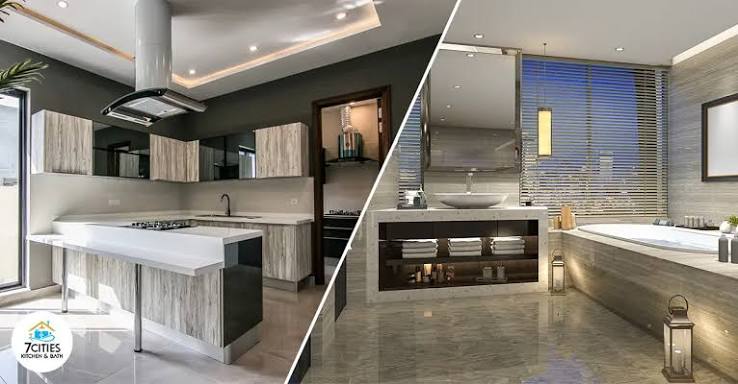
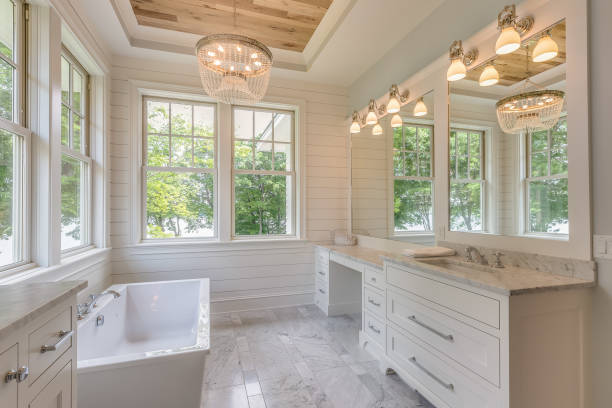
Small bathrooms pose a real challenge when you want a small bathroom with soaking tub that feels open and functional. Many homeowners think soaking tubs belong only in large spaces. That is not true. But trying to squeeze a tub into a tiny bathroom without help often leads to wasted floor space, wrong measurements, and stress. The key is knowing Who to Manage small bathroom with soaking tub so the project works from design to install.This page gives clear answers about who should lead this work, how they plan, and what to expect. Who Will Manage a Small Bathroom with Soaking Tub Installation? Professional remodeling contractors manage both design and execution for small bathroom with soaking tub projects. Many homeowners ask: “Should I hire a designer or contractor?” The answer depends on your project scope. A licensed bathroom remodeling contractor handles space planning, plumbing modifications, and structural work. They ensure your floor space supports the tub’s weight. They also manage permits and building inspections. Design-build contractors offer the complete package. They create the layout and install everything. This eliminates communication gaps between designers and builders. For small bathroom remodel with tub projects, this approach saves time and prevents errors. Poseidon Remodeling uses this design-build method for bathroom remodeling Oceanside projects. Their team handles every detail from the first measurement to final inspection. You get one point of contact instead of juggling multiple professionals. Why Small Bathrooms Need Professional Management Small bathrooms are not easy spaces. Even a few inches can change how the bathroom small bathtub fits. DIY often fails in tight spaces because minor mistakes turn into big problems. Wrong tub size, poor plumbing moves, or ignoring bathroom space flow can make the room feel cramped. In bathrooms of 40 to 70 square feet, every half inch matters. Professionals plan around that. They assess structure so heavy tubs do not cause issues. They map plumbing so water lines work without rerouting the whole room. They plan easy access and movement so the space feels open. Key things a professional handles include Structural assessment for heavier tubs and reinforcements Plumbing changes that match your layout Ventilation upgrades so moisture does not cause mold Building code compliance so you avoid violations Proper planning saves money and gives you the bath space you want. Designer vs. Contractor: Who Does What? Understanding each professional’s role helps you choose the right team for your small bathroom with a tub project. Interior designers: focus on aesthetics. They select tile colors, recommend fixtures, and create mood boards. They excel at making spaces look beautiful. However, they don’t handle construction, permits, or installations. Bathroom remodeling contractors: manage the technical work. They reinforce floors, modify plumbing, and install tubs. Licensed contractors pull permits and coordinate inspections. They ensure code compliance and structural safety. Design-build contractors: combine both services. This approach works best for small bathroom with soaking tub installations because: Single point of contact reduces confusion Design matches actual construction capabilities Faster project completion Better budget control No finger-pointing if problems arise Our team uses the design-build model. Their team creates 3D renderings showing exactly how your soaking tub fits. Then the same team builds what they designed. This eliminates the “designer drew it but contractor can’t build it” problem. For Southern California projects, local knowledge matters. Oceanside and San Diego areas have specific building codes. Contractors familiar with these regions handle permits efficiently. They also know which inspectors to work with and what they check. Space Planning: Making Soaking Tub Fit Without Compromise Measuring Your Small Bathroom Start by measuring length, width, and ceiling height. Note where doors swing open. Mark locations of toilets, sinks, and existing fixtures. Doorways need special attention. Can a 48-inch tub fit through a 30-inch door? Measure diagonal clearances too. Account for minimum clearances. Building codes require 6 to 12 inches of clear space around fixtures. Your bathroom space needs room for safe movement. Measure twice and record everything before discussing options with contractors. Best Soaking Tub Sizes for Small Bathrooms Japanese soaking tubs work perfectly in tight spaces. They measure about 48 inches long by 32 inches wide. The key difference? They go deep instead of long. You sit upright and water covers your shoulders. Compact freestanding tubs range from 50 to 55 inches in length. These retain heat well and fit most small bathroom layouts. Corner installations maximize floor space by using an area that often goes wasted. Choose depth over length when space is limited. A 22-inch-deep tub provides better soaking than a shallow 60-inch tub. Your goal is immersion, not floating horizontally. Layout Solutions Contractors Use Professional teams create several layout options before demolition. Corner placement often frees 10 to 15 square feet. This becomes storage space or a larger shower area. Wet room designs use glass partitions and shared drainage. The soaking tub and shower share the same waterproof zone. This approach works great in tiny bathroom spaces under 50 square feet. Wall-mounted vanities and toilets create visual openness. When fixtures don’t touch the floor, rooms feel larger. This psychological trick makes your small bathroom with bathtub seem more spacious. We create 3D models before starting work. Clients see exactly how their bathroom designs will look. This eliminates surprises and ensures the focal point is the tub, not cramped fixtures. What Professional Remodelers Actually Manage A complete small bathroom remodel with tub involves multiple phases. Pre-construction: includes site assessment, floor load calculations, and plumbing inspections. Contractors also acquire permits during this phase. In California, permit approval takes one to three weeks depending on the jurisdiction. The design phase covers space optimization, tub selection, and material recommendations. Professional teams show 3D renderings so you visualize the finished space. This step prevents buyer’s remorse about tub style or placement. Installation: starts with demolition. Old fixtures come out carefully to avoid damaging walls and floors. Floor reinforcement happens next if needed. Then plumbers modify water lines and drains. Tub installation requires precision. Heavy tubs need multiple workers and special
How often should you remodel your bathroom: Ultimate Guide

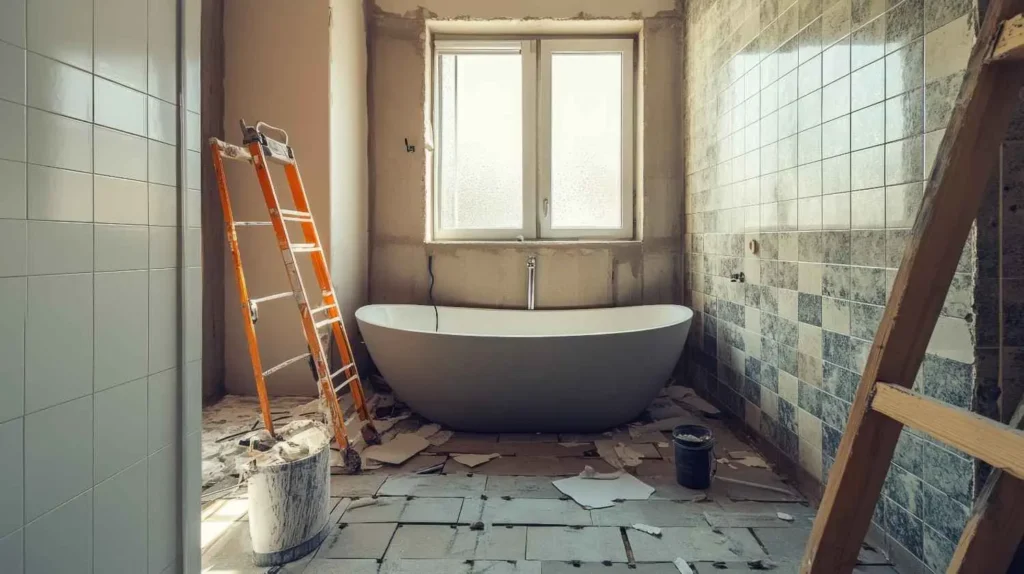
How often should you remodel your bathroom depends on wear, style, and safety. Minor updates are usually needed every 3–5 years, mid-level upgrades every 7–10 years, and full remodels every 10–15 years. Poseidon Remodeling helps homeowners in Oceanside plan the best time to renovate bathroom for value and comfort. Why Bathroom Remodel Frequency Matters Knowing when to remodel your bathroom affects your home’s value, safety, and daily use. Impact on Home Value A well‑kept bathroom boosts resale appeal. Buyers check bathrooms early in the tour. Cracks, outdated tile, or worn cabinets often push prices down. Upgrading at the right time lets you recover more value when you sell. Quality remodels show care and improve market appeal. Wear and Tear vs. Style Trends Different elements age at different rates. A shower head may need replacing long before tile. Wood cabinets and flooring also show wear at their own pace. How long do bathroom materials last depends on use and water exposure. At the same time, bathroom design trends shift. Choosing timeless materials lets you delay full overhauls while keeping style fresh. Safety and Functionality Over Time Old layouts, loose tiles, or poor lighting increase risk of slips, falls, and inefficiencies. A remodel refreshes updating bathroom fixtures, improves ventilation, and fixes plumbing leaks. Comfort and safety go up with careful planning. Expert Recommendations: How Often Should You Remodel? Setting a rough timeline makes planning easier. Here’s a clear bathroom remodel timeline to guide decisions: Minor updates (paint, fixtures): Every 3‑5 years These are simple changes like new hardware, lighting, or wall color. Mid‑level upgrades (countertops, cabinetry): Every 7‑10 years Cabinet fronts, counters, and medium‑wear finishes often need refreshing in this window. Full remodel: Every 10‑15 years This includes layout changes, plumbing, tile, cabinets, and fixtures. Mapping your bathroom renovation schedule this way helps you budget and avoid sudden breakdown costs. Signs You Need to Remodel Your Bathroom You can know it’s time for a bathroom upgrade when you see clear signs. Here are common Signs it’s time to renovate your bathroom: Cracks, leaks, and water damage: Tiles that loosen, walls that stain, or soft spots on the floor mean water has been working against your structure. Outdated style or worn‑out fixtures: If your space looks stuck in the past or hardware fails often, it may be time to update and improve flow. Persistent mold or mildew: If mold comes back even after cleaning, ventilation or water issues need fixing. Poor lighting or ventilation: Dim or humid bathrooms make daily routines harder. Accessibility needs: As bodies change with age, you might need safer layouts or wider spaces. You can use our downloadable checklist: Is it time to remodel your bathroom? to compare what you see at home with expert tips. Factors That Affect Remodel Frequency Not all bathrooms age the same way. These factors change when you should update them. Household Size and Lifestyle Changes A busy family bathroom wears out faster than a guest bath. More people means more water use and quicker fading of materials. Water Quality and Climate Effects Hard water wears down fixtures faster. How long do bathroom materials last also depends on your local climate. Salt air near coasts can speed corrosion and grout wear. Changing Trends vs. Timeless Design Some homeowners want trendy looks, others want simple elegance. Choosing durable materials with lasting appeal delays the next full project. Budget and Personal Goals If you plan to sell soon, updating now may bring better offers. If staying long term, focus on function and durability before style. Cost Considerations and Budgeting Tips Understanding expenses helps plan effectively. Minor updates typically cost $1,500-$5,000: Painting, new fixtures, lighting, and hardware refresh appearance affordably. These updates offer good return for small investment. Mid-level remodels range from $10,000-$25,00: New cabinets, countertops, flooring, and fixtures transform function and style. This level addresses most wear issues. Full remodels cost $25,000-$50,000 or more: depending on size and finishes. Complete gut jobs with layout changes, high-end materials, and luxury features reach the upper range. ROI considerations: matter when selling soon. National averages show bathroom remodels return 60-67% of cost. Local markets vary. Oceanside’s competitive real estate market rewards updated bathrooms. Financing options: include home equity loans, personal loans, or contractor payment plans. Poseidon Remodeling discusses flexible solutions during consultations. Strategic budgeting tips include: Prioritize function over trends. Fix leaks and damage first. Choose quality materials that last. Cheap fixtures fail quickly. Plan updates during off-season when contractors offer better rates. Get multiple quotes but don’t always choose the cheapest bid. Set aside 10-15% contingency for unexpected issues. How to Extend Your Bathroom’s Life Between Remodels A full redo is not always necessary. You can stretch time between major projects with regular care. Routine maintenance: Seal grout, refresh caulk, and clean drains. Partial updates: New faucet, lighting, or vanity hardware refreshes feel new. Professional help: Call experts like Poseidon Remodeling for plumbing or electrical work. These steps keep your space functional and delay bigger costs. Common Mistakes Homeowners Make Avoid these issues when planning: Waiting too long after problems start: Small leaks become major rot if ignored. Remodeling purely for trends: Trends change quickly. Long‑lasting design stays appealing. Ignoring budget constraints: Overspending causes stress later. Using low‑quality materials: Cheap products wear out fast, pushing you back into another remodel sooner. Real-Life Case Studies / Examples Example 1: Full Remodel After 12 Years A local Oceanside family waited 12 years before addressing their dated bathroom. Original 1990s fixtures and pink tile made the space feel tired. Water stains around the tub suggested hidden damage. Our experts discovered moisture damage behind walls during demolition. The complete remodel included new plumbing, modern fixtures, neutral tile, improved ventilation, and better lighting. Cost: $32,000. The homeowners sold 18 months later, recovering $42,000 in added value, a 30% return beyond remodel cost. Example 2: Strategic Partial Update After 6 Years Another homeowner chose targeted updates instead of full renovation. After six years, fixtures looked dated but functioned fine. We replaced the vanity,
Hall Bath Ideas That Maximize Space & Style (Expert Guide)

The use of your hall bathroom is more than any other room in your home. It handles busy school mornings, guests during gatherings, and everyday family routines. A hall bathroom, also called a shared bathroom accessible from the hallway, plays an important role in comfort, cleanliness, and the first impression guests get of your home. Whether you are working with a compact 5×7 space or planning a complete renovation, these hall bath ideas will help you create a functional, beautiful bathroom everyone will love. You will discover design styles, smart layouts, storage solutions, and budget-friendly updates that add value to your home. Before You Start: Essential Planning Steps If you are thinking about Hall Bath Ideas then you have to understnad these planning steps earler: Assess Your Current Space Before looking at hall bathroom ideas or hallway bathroom ideas inspiration or selecting fixtures, take time to evaluate your existing bathroom. Start with accurate measurements of the entire layout, including wall lengths, ceiling height, door swing, and fixture placement. Standard hall bathroom sizes typically fall within 5×5, 5×7, 6×8, or 8×10 feet. Identify the bathroom type so you can plan ideas realistically: • Half bath (powder room): Toilet and sink only • Three-quarter bath: Toilet, sink, and shower • Full bath: Toilet, sink, shower, and bathtub Check plumbing lines, electrical outlets, and ventilation. Make note of what currently works and what needs replacement. Also consider who uses the bathroom most children, guests, or extended family members which helps you prioritize durability, storage, and ease of use. Set Your Budget and Timeline If you are thinking about how to update a hall bathroom or Bathroom Remodeling in Oceanside or anywhere then first you have to clear the budget, keep your remodel organized and prevent overspending. Below what most homeowners spend: Cosmetic Refresh ($1,500–$3,500) Paint, new fixtures, accessories, light updates. Mid-Range Remodel ($8,000–$15,000) New vanity, tile work, upgraded fixtures, improved lighting. Full Renovation ($15,000–$25,000+) Layout changes, plumbing relocation, luxury finishes. Timeline expectations: • Mid-range updates: 2–3 weeks • Full remodels: 4–8 weeks depending on material availability Remember to factor in permits if plumbing or electrical work is involved, contractor availability, and delivery times for tile, vanity, or glass shower doors. DIY vs Hiring Professionals Some tasks are perfect for DIY, such as painting, installing new hardware, swapping light fixtures, or replacing a mirror. But plumbing, electrical upgrades, tile installation, or structural changes should be handled by licensed professionals. Hiring pros like Poseidon Remodeling ensures quality work, long-term durability, and fewer mid-project surprises. Splurge on expert tile work, vanity installation, and bath or shower replacements to avoid costly mistakes later. Smart Layout Solutions for Every Space Size Small Hall Bathroom Layouts (5×7 ft or less) Small hall bathroom ideas need efficient layouts that make every inch useful. A corner shower configuration maximizes available floor space by freeing up your longest wall for storage or a vanity. If plumbing allows, a wall-mounted toilet paired with a compact single vanity visually opens the space and increases floor area. Replacing a swing door with a pocket door can save nearly 9 square feet of clearance. Use vertical storage solutions like tall cabinets, floating shelves above the toilet, or recessed niches in walls to reduce clutter. Maintain at least 30 inches of clearance in front of the toilet or vanity for comfort. A simple layout diagram or rough sketch can help you visualize the flow more clearly before you commit. Medium Hall Bathroom Layouts (8×10 ft) An 8×10 bathroom gives you freedom for more creative options. Placing a tub-shower combo along the longest wall creates a balanced layout and leaves enough room for a spacious vanity. If multiple users share this bathroom, a double vanity may be worth the investment. Consider adding a privacy wall or a half partition for the toilet area. A linen tower 12–18 inches deep can improve storage without taking up too much floor space. Maintain at least a 24-inch walkway for comfortable movement. In narrow bathrooms, placing the toilet and sink on opposite walls improves flow and prevents congestion. 15 Stunning Hall Bath Ideas for Every Style If you are looking for Modern hallway bathroom designs or Space saving bath upgrades or even Full bathroom ideas. Below are fifteen hall bath ideas designed to fit different preferences, square footage, and budgets. Each idea gives you the flexibility to adapt the look to your home. 1. Modern Minimalist White This style uses floor-to-ceiling white subway tile, a floating vanity, and frameless glass shower doors for a clean and open look. Chrome fixtures and hidden storage keep everything clutter-free. Best for: Small spaces and modern homes Budget: $10k–$15k Quick Tip: Add one black accent like a mirror frame for contrast. 2. Warm Scandinavian Light wood tones such as oak or birch, clean white walls, and natural textures create a calming space. Best for: Families and timeless designs Budget: $8k–$12k Quick Tip: Woven baskets add warmth without overwhelming the space. 3. Bold Black & Brass Black tiles or walls paired with brass fixtures deliver a dramatic, high-end feel. Best for: Guest bathrooms and statement spaces Budget: $12k–$18k Quick Tip: Use black on an accent wall to avoid making the room feel smaller. 4. Coastal Blue & White Soft blue tiles, white vanity, and nautical touches bring a breezy, beach-style mood. Best for: Kids’ baths and coastal homes Budget: $7k–$13k Quick Tip: Shiplap adds authenticity to the coastal look. 5. Rustic Farmhouse Reclaimed wood vanity, white subway tile, and a farmhouse sink create timeless warmth. Best for: Traditional or country-style homes Budget: $6k–$16k Quick Tip: Use wood-look porcelain tile for moisture resistance. 6. Spa-Inspired Sanctuary Limestone or travertine, a floating vanity, and a rainfall showerhead turn your hall bath into a peaceful escape. Best for: Wellness-focused homeowners Budget: $15k–$25k Quick Tip: Use eucalyptus in the shower for a fresh spa scent. 7. Industrial Chic Concrete-look tile, black fixtures, and Edison lighting bring an urban vibe. Best for: Lofts and modern homes Budget: $10k–$16k Quick Tip: Add
Water Damage in Bathroom Walls: Complete Detection & Repair Guide (2025)

Ever walked into your bathroom and thought, What’s that smell? Actually this is Water Damage in Bathroom Walls and that’s created this smell, You’re not alone water damage hits thousands of local homes every year. Salty ocean air and older homes create the perfect storm for hidden leaks and moisture problems. That little stain on your wall? It could be costing you thousands if you ignore it. My experience is this: Catch it as early as possible because early notice decreases your expense and damage . My experience is here to guide you what you have to look at and when help is needed. No long confusion explanations, only experienced useful guides and tips that will be helpful for you to decrease your expenses and save you money and family life. What Causes Water Damage in Bathroom Walls? Look, knowledge about causes of bathroom wall water damage happens is half the battle. Let the Poseidon Remodeling break down the usual suspects we deal with here in San Diego. Your Shower Pan’s Given Up This is the big one, honestly. That waterproof layer under your tile? It doesn’t last forever usually around 15-20 years. When it cracks or wasn’t done right from the start, water just goes wherever it wants. If your home’s got some age on it, step around your shower floor. Does anything feel squishy? That’s your clue. Grout and Caulk Are Sneaky Those little cracks in your grout? Water’s best friend. And that caulk around your tub starts breaking down way sooner than you’d think. I know checking it every few months sounds tedious, but tiny gaps turn into expensive nightmares. The Leaks You Can’t See These are the worst. Pipes hidden in your walls just fail. A tiny pinhole leak or loose connection can go months before you notice. Meanwhile? Total chaos behind your drywall. Your Bathroom Can’t Breathe No exhaust fan? Weak fan? Same problem. The steam from the shower is here, and it just sits there and soaks into everything. Mold stuck on your walls and cleaning of mold on bathroom walls is also very difficult but they get weaker with time. Leaking Fixtures Toilet wax rings wear out and leak at the base. Sink drains loosen and drip inside cabinets. Shower valves fail behind walls. Each fixture in your bathroom can become a water damage source. Foundation Issues Older San Diego homes often have foundation cracks. These let groundwater seep into bathroom walls from below. Coastal areas see this problem more often due to shifting soil. Roof Leaks Upper floor bathrooms suffer when roof tiles crack or flashing fails. Water travels down through walls before you spot ceiling stains. Heavy rains expose these weak points fast. Appliance Connections Washing machine hoses burst without warning. Water heaters develop slow leaks at connections. When these appliances sit near bathrooms, damage spreads to nearby walls. 10 Warning Signs of Water Damage in Bathroom Walls Water damage or bathroom wall moisture problems is a very common problem even in a smart bathroom. If you understand all these signs then you can save you costly renovation or repairs. Check your bathroom for these signs every month. Visual Red Flags Discoloration and Staining There are some lines that appear on the wall when the water leaked inside and this is dangerous. These lines may be yellow or brown. There are rust-colored lines around the fixtures. Dark patches spread over time and get bigger. These stains tell you water is active behind your walls. Peeling or Bubbling Paint Paint lifts at edges when moisture gets underneath. Press these bubbles and you might feel water. Wallpaper flakes off in pieces. Normal humidity does not cause this kind of damage. Warped or Bulging Drywall Walls bow outward when saturated with water. Soft spots give under gentle pressure. Sagging areas hang down from moisture weight. This means serious water damage exists behind the surface. Cracked or Loose Tiles Tiles pop off walls when the backing gets wet. Grout crumbles and falls out. Tap on tiles and listen for a hollow sound. This indicates water separated the tile from the wall. White Chalky Deposits Minerals build up on walls made of bricks and stones. These appeared white lines are maybe a sign of long-term moisture problems. Whenever water evaporates everywhere, it becomes the cause of minerals to the surface. Sensory Warning Signs Musty Moldy Odors Even after a full cleaning, the smell stays. The smell gets worse in small settings. This musty smell in bathroom areas means hidden mold growth behind walls. Your nose often detects problems before your eyes. Sound of Dripping Water You hear water trickling when no fixtures run. These sounds come from inside walls. Check at night when your house is quiet. Any unexplained water sounds need immediate attention. Structural Concerns Soft or Spongy Drywall Press on walls gently. If they give under pressure, moisture damaged them. A moisture meter reading above 15% confirms the problem. Test multiple spots to find the full extent. Mold Growth Visible Black, green, or brown spots appear on walls. Corners where walls meet ceilings show mold first. This creates a serious health hazard. Visible mold means water damage already happened. Baseboards Pulling Away Gaps form between walls and baseboards. Wood warps or rots at the bottom. Paint bubbles on lower wall sections. Water mostly gathers at the first level of the floor that is why there are many bathroom floooring options to reduce the risk . List of Things to Check Quickly You have to check these things monthly: Stains on walls or ceiling Wall softness when pressed Musty odors anywhere Grout and caulk condition Area behind toilet and under sink Mold in corners Dripping sounds Moisture meter readings if available How to Inspect Your Bathroom for Hidden Water Damage If you are worried about the causes of bathroom wall water damage, please follow all these steps to find the sighns of hidden water. It’s gonna take 15 minutes max and honestly? Step 1:
Do You Need Permits to Remodel a Bathroom: San Diego 2026

Planning a renovation in 2026 requires more than just picking out tile and fixtures. If you are asking yourself, Do You Need Permits to Remodel a Bathroom, the answer is almost always yes in San Diego. Local enforcement is stricter than ever, and data shows that 63% of homeowners face major permit hurdles during a home resale. One La Jolla homeowner recently paid a $15,000 fine for unpermitted work that was discovered during a routine inspection. At Poseidon Remodeling, we want to help you avoid $1,000 per day penalties with this 2026 roadmap. This guide ensures your bathroom remodel oceanside or anywhere in the county stays legal and safe. Do You Need a Bathroom Permit in San Diego? (2-Minute Self-Check) Determining what bathroom work requires permit San Diego depends on the scope of your project. Use this quick checklist to see where you stand: Are you touching plumbing, electrical, or the structure? (Moving a toilet, adding a light, or moving a wall). Is your home built before 1980? (Often triggers asbestos or lead safety protocols). Are you in a historic district? (Check if you live in Mission Hills, Gaslamp, or Old Town). If you answered “Yes” to any of these, you definitely need a permit. San Diego Bathroom Projects: Complete Permit Requirements 2026 Project Type Permit Type Avg. Cost Timeline Cosmetic Only (Paint/Floor) None $0 Immediate Toilet Swap (Same spot) Plumbing Simple MEP $150-$250 1-3 Days Full Gut Remodel Building + Plumbing + Elec $800-$1,500 6-10 Weeks bathroom remodeling permit cost San Diego (Mid-range) Combined $400-$600 3-4 We 2026 San Diego Regulation Updates The City of San Diego updated its rules for 2026 to help homeowners move faster. The no-plan building permit San Diego is now a popular option for standard updates. New No-Plan Building Permit Requirements Under SDMC §129.0203, you can skip the long plan-check process if you aren’t changing the room’s layout. This applies to “like-for-like” replacements. If you swap a tub for a shower in the same spot, you qualify. This permit is usually ready in 24 to 48 hours. Our Oceanside clients recently saved six weeks of waiting by using this method. Coastal and Historic Overlays If you live in Pacific Beach or Coronado, you face a Coastal Development Permit overlay. This adds two to four weeks to your timeline. Historic districts like La Jolla Shores or Mission Hills require photo documentation and a review by a historic resources specialist. Skipping these steps can lead to a stop-work order. What Bathroom Work DOESN’T Need Permits According to SDMC §129.0203, some “exempt” projects do not require a city visit. These include painting walls, replacing flooring like vinyl or laminate, and changing cabinet hardware. You can also swap a faucet or towel bar without a permit. However, even exempt work must follow the code. For example, if you install new tile, you must still use proper waterproofing. A San Diego building inspection won’t be required, but poor work could still cause insurance issues later. The 2026 Step-by-Step Permit Process Getting your paperwork through the San Diego bathroom permit requirements involves several stages. 1. Portal Registration Everything is now digital through the Accela Citizen Access portal. You must create an account at sandiego.gov to upload your site plan, floor plans, and plumbing diagrams. 2. City Review A standard review takes about 28 days. During this time, a building plan checker and electrical reviewer look at your schematics. They may send a Request for Information (RFI) if they need more details. 3. Inspection Schedule Once work starts, you must call (619) 446-5200 to schedule your visits. bathroom rough inspection San Diego: This happens after pipes and wires are in but before the walls are closed. final bathroom inspection San Diego: This happens when everything is finished and functional. What Happens If You Skip Permits? The consequences of skipping the city process are severe in 2026. A San Diego bathroom remodeling permit cost is small compared to the fines. Under SDMC §129.0801, the city can charge $1,000 per day for violations. Financial impacts are even worse. If unpermitted plumbing causes a leak, your insurance company may deny the claim. During a home sale, buyers often use unpermitted work as leverage to drop the price by tens of thousands of dollars. Statistics from the San Diego Realtor Association show that 78% of agents saw unpermitted work kill deals last year. Poseidon Remodeling takes care of all this permit headache for you. We fill out forms, upload documents, argue with reviewers, schedule inspections. You just pick out tile colors. Tips to Save Time and Money on Bathroom Permits Start Early: Don’t wait until you’ve picked out every fixture to apply for permits. Get the process rolling early. Review times change depending on how backed up the city is. Build extra weeks into your timeline. Turn In Complete Applications: Missing one document means instant rejection. Your application sits at the bottom of the pile again. Triple-check you’ve got every drawing, every form, every signature before hitting submit. Hire Licensed Contractors: Licensed pros know San Diego remodel permits inside and out. They’ve worked with the inspectors before. They know what passes and what gets flagged. Worth every penny to avoid amateur mistakes that delay everything. Get Ready for Inspections: Inspector shows up and your contractor hasn’t finished prep work? Failed inspection, reschedule, more delays, re-inspection fees. Make sure everything’s actually ready before you call. DIY vs Hiring a Contractor Handling permits yourself sounds simple, but it rarely is. Most homeowners spend 40 to 60 hours learning city rules, using the Accela portal, fixing application errors, and coordinating inspections. One missed document or failed inspection can delay a project by weeks. Licensed contractors deal with permits every day. They understand bathroom permit requirements San Diego inspectors enforce, know how to avoid common plan review issues, and schedule San Diego building inspection stages without delays. This experience often means faster approvals and fewer corrections. At Poseidon Remodeling, permits are built into every project. We prepare the
How to Remove Soap Scum from bathroom Tile, Glass & Stone

Soap scum is the stubborn, chalky film that forms on bathroom surfaces when soap mixes with minerals in water. Over time, it can make your shower doors, tiles, and tubs look dull, damage delicate surfaces, and even encourage mold growth.For remodeled bathrooms, keeping surfaces spotless is crucial. Learning how to remove soap scum effectively not only saves time but also protects tiles, glass, and stone countertops.In this guide, you’ll find easy DIY tips, professional solutions, and prevention strategies so you can maintain a sparkling, healthy bathroom every day while keeping your surfaces safe. Project Overview Aspect Details Working Time (per session) 15–60 minutes depending on surface type and soap scum severity Total Time (complete removal) 1–3 hours; heavy buildup may require multiple sessions Skill Level Beginner to Intermediate for DIY methods; Professional recommended for delicate or stone surfaces Estimated Cost $5–$50 for DIY cleaners; $150–$300 if hiring professional services Frequency Weekly or monthly maintenance suggested to prevent buildup Tools and Supplies You’ll Need to Remove Soap Scum Category Items Cleaning Agents (DIY) Baking soda, vinegar, hydrogen peroxide, lemon juice, dish soap Tools & Equipment Microfiber cloth, soft scrub brush, magic eraser, squeegee, gloves, spray bottle Professional Options Commercial stone/tile cleaners, professional-grade descalers, protective gear Optional Preventive Tools Water softener, grout or tile sealant, ventilation fans Understanding Different Surfaces: Tile, Glass, and Stone Not all bathroom surfaces are the same. Knowing the right method is key when learning how to remove soap scum. The wrong cleaner or tool can damage tiles, stone, or glass. Whether it’s a quick touch-up or a bathroom remodel in Oceanside, these tips will help you clean safely and effectively. Glass Shower Doors: How to Remove Soap Scum Safely Glass doors get streaks and buildup fast. Use a microfiber cloth, soft scrub, or magic eraser. Vinegar solutions break down deposits safely. Finish with a squeegee after every shower. We recommend testing a small area first to see how to take off soap scum properly. Ceramic & Porcelain Tile: Cleaning Soap Scum Effectively Tiles are tough but soap scum sticks, especially in grout. Baking soda scrubs or hydrogen peroxide work well. These are safe ways to take off soap scum without harming tiles. Natural Stone (Marble, Granite, Limestone): Safe Soap Scum Removal Stone is sensitive to acids. Vinegar or lemon juice can damage surfaces. Professional-grade cleaners or expert guidance from our experts show you the safest way, how to remove soap scum from stone after a remodel. Grout & Caulk Lines: How to Clean Off Soap Scum Grout and caulk trap soap scum easily. Use soft brushes and mild cleaners to lift buildup. Avoid harsh chemicals. Knowing how to clean off soap scum here keeps your bathroom fresh and prevents damage. Soap Scum Removal Methods Getting rid of soap scum doesn’t have to be difficult. With a few simple ingredients and tools, you can restore your bathroom surfaces safely and efficiently. These methods work for everything from tile to stone, making them perfect if you’re looking for luxury bathroom ideas or just want to keep your space sparkling. Baking Soda + Vinegar: A Gentle Soap Scum Remover Mix baking soda with vinegar to create a fizzing paste. Apply it to tiles, grout, or glass, let it sit for a few minutes, then gently scrub. This method is a safe DIY soap scum remover for stone and works perfectly to remove soap scum from tile without damaging surfaces. Hydrogen Peroxide + Baking Soda for Tough Soap Scum For tougher scum or mildew, combine hydrogen peroxide and baking soda into a thick paste. Apply to problem areas, wait a few minutes, and scrub lightly. This method is highly effective and a reliable way to clean soap scum deeply. Lemon Juice / Citric Acid: Natural Soap Scum Cleaner Natural acids in lemon juice or citric acid gently break down soap scum. Ideal for delicate surfaces, this method helps maintain a pristine bathroom without harsh chemicals. It’s perfect if you want a fresh, clean look while exploring luxury bathroom ideas. Dish Soap + Vinegar for Everyday Soap Scum Maintenance A simple mix of dish soap and vinegar is great for everyday cleaning. Spray onto shower doors, tiles, or sinks, let it sit briefly, then wipe away. This helps you prevent soap scum buildup and keep surfaces fresh between deep cleans. Commercial Cleaners and Professional Soap Scum Removal Sometimes, soap scum can be stubborn, and DIY methods alone aren’t enough. Using the right commercial cleaners or calling in professionals can save time, protect your surfaces, and keep your bathroom sparkling. Acid-Based Descalers: Stronger Soap Scum Solutions Acid-based descalers are strong cleaners designed for tough soap scum deposits. Always follow safety instructions and avoid using them on natural stone unless labeled as a soap scum cleaner safe for marble. These products are highly effective for lifting buildup while keeping delicate surfaces intact. Magic Erasers & Specialty Sponges for Soap Scum Micro-abrasive tools like Magic Erasers and specialty sponges can remove scum from tiles, grout, and glass. They’re particularly useful if you’re wondering how to clean bathroom shower glass for a streak-free finish. Regular use of these tools can also help prevent soap scum build up between deep cleans. When to Hire Professionals to Remove Soap Scum For sensitive surfaces or severe soap scum buildup, expert assistance is best. Poseidon Remodeling can safely remove scum and advise you on how to prevent soap scum long-term. Professional help ensures your bathroom stays clean, polished, and protected, especially after a remodel. Preventing Soap Scum Build-Up Keeping soap scum at bay is much easier than scrubbing it off repeatedly. A few simple habits can make a huge difference in maintaining a clean, fresh bathroom. Squeegee After Every Shower Wipe down your shower walls and glass doors with a squeegee after every shower. This simple daily step prevents soap scum on glass shower doors from forming and reduces the need for harsh scrubbing later. Proper Ventilation and Drying Moisture is the main reason soap scum and mold appear.
Half Bath Dimension: Complete Guide

Getting the Half Bath Dimension right is one of the most important parts of planning a small bathroom. When space is limited, every inch counts too tight and it feels cramped, too wide and you’re wasting square footage. Getting the Half Bath Dimension right is one of the most important parts of planning a small bathroom. If you’re wondering how to plan the perfect half bath, it starts with understanding dimensions, clearances, and layout flow.The right dimensions improve comfort, flow, and resale value while keeping your project up to code. We’ve designed and built countless half baths across Oceanside that prove small spaces can still look stylish and feel comfortable. In this complete guide, you’ll learn the ideal size ranges, layout ideas, clearance rules, real remodeling examples, and cost details plus a free checklist to help you plan with confidence. Typical Half Bath Dimensions:Quick Answer Knowing the right half bath dimensions can make a small bathroom feel spacious, comfortable, and practical. Most half baths range from 3×4 feet up to 5×6 feet, giving enough room for a toilet and sink while keeping the layout efficient. The right size ensures proper clearance, easy movement, and a balanced design that works for daily use. With years of experience, Poseidon Remodeling has helped homeowners across Oceanside design half baths that are both functional and stylish, whether it’s a compact powder room or a luxury guest bath.A standard size half bath usually measures around 4×5 feet, offering enough room for a toilet and sink while keeping the layout efficient. Half Bath Dimension Table Layout Category Dimensions (ft) Approx Area (sq ft) Best Use Case Ultra-Compact 3×4 12 sq ft Perfect for tight hallways or closet conversions Compact 3×5 15 sq ft Ideal for small guest powder rooms Standard 4×5 20 sq ft Typical main-floor half bath for most homes Comfortable 5×6 30 sq ft Luxury half bath or accessible layout for comfort Why Half Bath Dimensions Matter Getting the small half bath dimensions right isn’t just about fitting a toilet and sink into a room; it affects how comfortably people can move, how fixtures are placed, and how much floor space is usable. Poor planning can make even a slightly larger space feel cramped, while smart layouts improve flow and functionality. The size you choose also impacts your home’s resale value. Buyers often compare half baths to Three-Quarter Baths or a full bathroom, looking for spaces that feel roomy and well-planned. Proper bathroom size ensures there’s enough room for a shower or bathtub, even in a compact layout, without sacrificing comfort or style. For homeowners in Oceanside, we specialise in designing half baths that maximize space and usability while maintaining a stylish, functional layout. Learn more about our services: Bathroom remodel oceanside. Clearance Basics for Half Baths When designing a half bath, following minimum dimensions for half bath ensures safety, comfort, and compliance with local building codes. Proper spacing affects how easily people can move around, how fixtures fit, and overall usability, especially in rooms under 40 square feet. Toilet Clearance Rules A toilet should have at least 15 inches from the centerline to the nearest wall and 21–24 inches of front clearance to allow comfortable use. These measurements are essential for any bathroom layout that includes standard essential fixtures. In Oceanside and throughout San Diego County, local building codes require these minimum clearances for safety and accessibility Sink & Vanity Clearance Sinks and vanities should have at least 20 inches of clearance from the toilet centerline. Depth should be planned so it doesn’t crowd the floor space, keeping the half bath functional while fitting all essential fixtures comfortably. Door & Ventilation Considerations Consider whether a door swings inward or outward, or use a pocket door to save space. Ventilation is required, either with a fan or window, to prevent moisture buildup and maintain a healthy bathroom environment. In Oceanside, proper venting is a code requirement for all half baths. ADA or Future-Proofing (Optional) If you want to make the half bath accessible or future-proof, a 5×7 ft footprint or clear-floor plan can accommodate ADA guidelines and provide extra comfort for all users. Clearance Checklist: What You Must Measure Distance from toilet centerline to walls (min 15 in) Front clearance for toilet (21–24 in) Clearance from sink to toilet (min 20 in) Door swing and required clearance Floor space for movement and accessibility Ventilation placement (fan or window) Fixture depth and alignment with overall layout This section ensures your half bath layout meets all code requirements, maximizes usable floor space, and fits all essential fixtures efficiently. Half Bath Layout Options & Dimensions (Understanding Half Bath Layout Dimensions) Choosing the right typical half bath dimensions and layout is essential to make a small bathroom feel functional, comfortable, and stylish. Your floor area determines how fixtures, doors, and walls can be arranged, and following building codes ensures safety and usability. Even in compact spaces, adding smart touches like wall-mounted sinks or a small walk-in shower can bring in ideas from luxury bathrooms without taking up extra space. Below are four common layouts, their dimensions, and practical pros and cons to help you decide the best fit for your home.Understanding half bath layout dimensions helps you determine where to place your sink, toilet, and door for maximum comfort and usability. Layout Type A: One-Wall Layout This layout places all essential fixtures along a single wall, making it perfect for narrow or compact spaces. Typical dimensions: 3×5 ft.This layout places all essential fixtures along a single wall, making it perfect for narrow or compact spaces. Typical single wall half bath dimensions range from 3×5 to 4×5 feet, depending on door placement and plumbing access. Pros: Simple and cost-effective plumbing Maximizes open floor space Quick and straightforward installation Cons: Limited counter and storage space Less flexibility for larger fixtures Can feel cramped for more than one user at a time Layout Type B: Opposite-Wall Layout In this layout, fixtures are positioned on opposing walls, creating a more balanced
How to Choose Bathroom Tiles: A Practical Guide

Picking the right bathroom tiles can be tougher than it looks. Choose the wrong style or finish, and you might end up with slippery floors, moldy grout lines, or a design that doesn’t match your space. If you’re wondering how to choose bathroom tiles that actually look beautiful, stay clean, and last for years you’re in the right place. In this guide, we’ll break down how to select the perfect tile for every part of your bathroom from walls and floors to the shower based on style, budget, and maintenance. These are tried-and-true tips from our experts, one of Oceanside’s trusted bathroom remodel experts with real on-site experience installing every type of tile imaginable. How to Choose Tile for Bathroom: Quick Guide If you’re not sure how to choose tile for bathroom, this quick guide from Poseidon Remodeling will make it easy. The right tile depends on your bathroom’s size, where it’s being installed, and how much you want to spend. Use the table below to narrow your choices before visiting a showroom or talking to your remodeler. Bathroom Size Area Budget Best Tile Material Ideal Tile Size Recommended Grout Slip Rating (COF) Small Floor Low Ceramic 12×12 or smaller Sanded grout 0.60+ (Good grip) Small Shower Walls Medium Porcelain 12×24 Unsanded grout N/A Medium Floor Medium Porcelain or Stone Look 12×24 Epoxy grout 0.65+ Medium Shower Floor Medium Mosaic Porcelain 2×2 Epoxy grout 0.70+ Large Walls High Natural Stone or Glass 24×48 Unsanded grout N/A Large Floor High Porcelain or Marble 24×24 Epoxy grout 0.60–0.70+ How to use this guide: Start with your bathroom’s size and the area you’re tiling floor, shower, or wall. Match it with your budget to see the most practical material options. Check the COF (slip rating) to make sure your floors are safe, especially in wet areas. We help homeowners find tiles that blend durability with design. Whether you prefer a modern porcelain finish or the natural look of stone, the key is balance tiles that look great, feel safe, and last for years. How to Choose Bathroom Tiles: The Best Materials Explained If you’re thinking about how to choose tiles for bathroom, the first thing to understand is that not all tiles are made the same. Each material has its own strengths, look, and level of maintenance. Picking the right one can make your bathroom easier to clean, safer to walk on, and more stylish overall. Whether you’re remodeling a master bath or a 3 quarter bath (with a shower, toilet, and sink), here’s a simple breakdown to help you decide what fits best. Porcelain Tiles Porcelain is the top choice for most bathrooms. It’s dense, durable, and nearly waterproof, perfect for wet areas. With a low absorption rate (under 0.5%) and a high PEI rating (4–5), it resists scratches and stains better than most options. Best for: Floors, showers, and high-moisture spaces. Cost range: $4–$10 per sq. ft. Pro tip: Buy extra tiles from the same batch so the color tone stays consistent across your bathroom. Ceramic Tiles Ceramic tiles are budget-friendly and come in endless designs. They’re easier to cut and install but slightly more porous than porcelain, so they’re better for walls or low-moisture floors. Best for: Bathroom walls, backsplashes, and accent areas. Cost range: $2–$6 per sq. ft. Pro tip: Use a waterproof grout or sealer if installing ceramic near the shower or sink. Natural Stone Tiles Stone tiles like marble, slate, or travertine give bathrooms a warm, upscale look. They’re durable but porous, so they need sealing to protect against water and stains. Best for: Feature walls or luxury remodels. Cost range: $6–$15 per sq. ft. Pro tip: Reseal stone tiles every 6–12 months to keep them looking new. Glass Tiles Glass tiles reflect light beautifully, adding brightness and color to small or dark bathrooms. They’re non-porous and easy to clean but can be slippery, so they’re best kept off the floor. Best for: Shower niches, walls, and decorative accents. Cost range: $8–$20 per sq. ft. Pro tip: Always use white adhesive to prevent dull spots behind clear tiles. Cement & Mosaic Tiles Cement tiles are bold and handcrafted, while mosaics create slip-resistant surfaces with strong visual detail. Both bring personality to your bathroom but require sealing for protection. Best for: Statement floors, shower floors, or accent borders. Cost range: $5–$12 per sq. ft. Pro tip: Seal them with a penetrating sealer to prevent discoloration and water damage. We help homeowners make smart tile choices that fit their lifestyle, budget, and space. Whether you’re refreshing a small 3 quarter bath or planning a full renovation, knowing your materials is the key to a bathroom that’s both beautiful and built to last. How to Pick Bathroom Tile Size and Layout: Make Your Space Feel Just Right When planning your remodel, knowing how to pick bathroom tile size and layout can completely change the way your bathroom looks and feels. The right tile size, pattern, and orientation can make a small room appear larger, a tall space feel balanced, and a walk-in shower more comfortable and stylish. Large Format Tiles Large format tiles (typically 24×24 inches or bigger) create a seamless, modern look with fewer grout lines. They make small bathrooms appear more open and easier to clean since there’s less grout to maintain. Large tiles are especially popular for wall tile designs in walk-in showers and feature walls, giving a spa-like feel. Tip: Use light colors and minimal grout contrast for an airy effect. Mosaic Tiles Mosaic tiles are the opposite: small, detailed, and full of character. They’re perfect for shower floors, offering better traction and flexibility around slopes or drains. You can also use them as a decorative accent strip or niche to add a touch of personality without overwhelming the space. Tip: Stick with slip-resistant mosaics (like matte porcelain) for better grip in wet zones. Subway Tiles & Patterns Classic subway tile never goes out of style. Laid vertically, it makes low ceilings feel taller; laid
What Is a Three-Quarter Bath and Is It Good for Your Home?

Wondering Three-Quarter Bath or what is a 3/4 bathroom and how it fits into your remodel plans? If you’ve ever come across the term three-quarter bath while planning a remodel, you’re not alone. A three-quarter bath, often written as a 3/4 bath, includes three of the four main bathroom fixtures: a toilet, sink, and shower but skips the bathtub. It’s a smart, space-efficient option for small homes, guest suites, or basement renovations, offering full functionality without taking up too much square footage. What Does a Three-Quarter Bath Include? When understanding what is a three quarter bath, it helps to break down the basics. A three-quarter bath typically includes three of the four main bathroom fixtures a toilet, sink, and shower but no bathtub. This setup provides everything you need for comfort and convenience without using too much space. Here’s what a standard 3/4 bath usually includes: A toilet for everyday use A sink or vanity for washing and storage A shower instead of a full bathtub In modern homes, tubs are often replaced with showers to maximize floor space and create a more open, functional layout. At Poseidon Remodeling, we often design three-quarter baths that blend practicality with stylish finishes, making them ideal for guest suites, basements, or compact homes.If you prefer a vintage look, consider a retro three quarter bath layout that combines patterned tiles, pastel colors, and compact fixtures for a nostalgic yet functional design. Why Is It Called a Three-Quarter Bath? To understand what is a half bath or a three quarter bath or full bath or Quarter bath, it helps to know how bathrooms are classified based on the fixtures they include. Each “quarter” represents one essential feature: the toilet, sink, shower, or bathtub. The more fixtures a bathroom has, the higher its classification. Here’s a quick breakdown: Bathroom Type Toilet Sink Shower Tub Quarter Bath ✅ ❌ ❌ ❌ Half Bath ✅ ✅ ❌ ❌ Three-Quarter Bath ✅ ✅ ✅ ❌ Full Bath ✅ ✅ ✅ ✅ A three-quarter bath strikes the perfect balance between practicality and space-saving design. Many homeowners in Oceanside, CA, choose this layout during a bathroom remodel to add comfort and value without expanding square footage. If you’re planning a bathroom remodel in Oceanside, CA, we can help you create a beautiful and efficient setup tailored to your home. How Big Is a Three-Quarter Bath? (Typical Dimensions) When planning your remodel, understanding what is a three quarter bathroom helps you design efficiently. On average, a 3/4 bathroom measures between 35 and 50 square feet, offering just enough room for a shower, toilet, and sink without wasting valuable space. Here are some of the most common three-quarter bathroom layouts: One-wall layout: All fixtures are placed along one wall perfect for compact bathrooms or guest suites. Corner layout: Maximizes every inch by tucking the shower or vanity into corners. L-shape or U-shape layout: Ideal for slightly larger spaces, creating a balanced and open design. For homeowners who love classic design, a retro three quarter bathroom floor plan often features mosaic flooring, curved showers, and art-deco style vanities that bring back mid-century charm Tips for saving space: Install pocket doors instead of swing doors. Use a wall-mounted sink or floating vanity. Add a frameless glass shower door to make the room feel bigger and brighter. If you’re exploring luxury bathroom ideas, consider elevating your 3/4 bathroom dimensions with high-end finishes like marble tiles, sleek lighting, and custom vanities. We specialize in transforming small baths into stylish, functional retreats that look and feel luxurious. Three-Quarter Bath vs Full Bath: What’s the Difference? When deciding between a 3/4 bath vs full bath, it helps to understand what is considered a three quarter bath and how it compares in space, cost, and functionality. A three-quarter bath includes a toilet, sink, and shower, while a full bath adds a bathtub. The difference often comes down to how you plan to use the space and what fits your home best. Here’s a quick comparison to help you decide: Feature 3/4 Bath Full Bath Fixtures Toilet, Sink, Shower Toilet, Sink, Shower, Tub Space Needed 35–50 sq ft 50–70 sq ft Cost $8,000–$15,000 $12,000–$25,000 Ideal For Guest bath, basement Master bath, family homes When to choose each: Go for a three-quarter bath if you want to save space, reduce costs, and still have a fully functional bathroom. Choose a full bath if you have the space and need a tub for soaking or family use. If you’re updating your bathroom, even small upgrades like a Change Bathroom Shower Faucet can make a big visual difference. We help homeowners choose the best option for their lifestyle whether it’s a compact, efficient three-quarter bath or a more spacious, luxurious full bath. Cost to Add or Remodel a Three-Quarter Bath The cost to add a three-quarter bath depends on several factors, including materials, layout, and labor. On average, homeowners spend between $8,000 and $15,000 to build or remodel a 3/4 bath, making it one of the most budget-friendly bathroom options. Here’s a rough cost breakdown: Fixtures & fittings: $2,000–$4,000 Plumbing work: $1,500–$3,000 Tiling & flooring: $2,000–$5,000 Labor & permits: $2,000+ These costs can vary based on your location and the materials you choose. For example, in Oceanside, CA, homeowners typically spend around $10,000–$14,000 for a mid-range three-quarter bath remodel using durable, stylish materials. If you’re looking for an Alternative to Tile Shower, options like acrylic or solid surface walls can reduce costs and maintenance while keeping your space sleek and modern. Understanding what is a 3 quarter bath helps you plan efficiently balancing comfort, cost, and functionality. we help Oceanside homeowners design affordable, high-quality bathrooms that fit both their budget and lifestyle. Pros and Cons of a Three-Quarter Bath Before deciding if it’s the right choice for your home, it’s helpful to understand what is a 3/4 bath and how it compares to other bathroom types. A three-quarter bathroom includes a toilet, sink, and shower, offering practicality and comfort in a compact layout.
How much does a walk in shower cost in 2026? Price Guide

How much does a walk in shower cost is one of the first questions homeowners ask when planning a bathroom update. A walk-in shower can transform a space, add accessibility, and increase home value. But pricing varies a lot. In this guide, we break down walk in shower cost with real numbers, clear examples, and tips you can use today. Choosing the right shower style and materials affects your budget. We cover all major walk-in shower cost by type and size, real cost factors, and smart planning advice. If you are exploring a Bathroom Remodeling Oceanside project with Poseidon Remodeling, this gives you the insight you need. What Is a Walk-In Shower? A walk-in shower is a shower area without a raised curb or tub edge to step over. It can be open or have glass panels, tiles, or stone walls. Walk-in showers suit modern bathrooms, accessible designs, and those who want a cleaner look. Working with experts like Poseidon Remodeling ensures your shower is installed professionally, maximizing both comfort and long-term value. Before exploring the full walk-in shower cost, it helps to understand how design choices impact pricing and style. How Much Does a Walk in Shower Cost: Typical Price Range Homeowners often ask: how much does a walk in shower cost? On average, you should expect a range based on size and materials: Basic tile walk-in shower: $2,000 to $4,000 Mid-range glass and tile design: $4,000 to $8,000 High-end luxury walk-in shower: $8,000 to $15,000+ These numbers represent a blend of labor and materials. Your actual cost for walk in shower depends on many factors we unpack below. What Impacts the Cost to Install a Walk-In Shower When estimating your walk-in shower cost, the material and style you choose make a big difference. Each material affects the total cost to install walk in shower systems. Whether you’re exploring luxury bathroom ideas or simply updating for functionality, knowing the average cost by type helps you plan your remodel more confidently. Below is a quick breakdown of what to expect for each shower type and material. Tiled Walk-In Shower Average Cost: $6,000 – $10,000+ Why it’s popular: Customizable designs, high-end appearance, and long-lasting durability. Details: Tile showers are ideal for luxury bathroom ideas because they offer endless patterns, colors, and finishes. However, they require more labor, which increases the cost of tiled walk in shower. Acrylic Walk-In Shower Average Cost: $2,500 – $5,000 Why it’s popular: Easy to install, low maintenance, and available in many styles. Details: Acrylic is affordable and durable, making it a great option for homeowners looking to lower their walk-in shower cost without compromising on looks. Fiberglass Walk-In Shower Average Cost: $1,800 – $4,000 Why it’s popular: Lightweight, budget-friendly, and quick to install. Details: Fiberglass showers are cost-effective but less customizable. If you’re remodeling on a budget, the fiberglass walk in shower cost is one of the lowest among all materials. Glass Walk-In Shower Average Cost: $8,000 – $15,000 Why it’s popular: Clean, open design that adds a modern and upscale touch. Details: Frameless glass enclosures create a sleek, spacious feel and are a favorite in luxury bathroom ideas. However, the glass walk in shower prices can be higher due to premium materials and custom installation. Quick Cost Comparison Table Type of Walk-In Shower Average Cost Range Highlights Tiled Walk-In Shower $6,000 – $10,000+ Custom design, luxury look Acrylic Walk-In Shower $2,500 – $5,000 Low maintenance, affordable Fiberglass Walk-In Shower $1,800 – $4,000 Lightweight, budget-friendly Glass Walk-In Shower $8,000 – $15,000 Modern, high-end appeal If you’re aiming for a sleek, spa-inspired space, investing in a tiled or glass walk-in shower is worth it. For a simple, clean remodel, acrylic or fiberglass options keep your walk-in shower cost under control while still giving your bathroom a fresh new look. Key Factors That Affect Walk-In Shower Cost When planning a bathroom remodel Oceanside, understanding what drives the walk in shower installation cost helps you budget wisely. From size and layout to materials and labor, each choice impacts the final price of your remodel. Below are the main factors that influence the walk in shower cost, along with how they connect to the overall cost of shower remodel. Size and Layout The bigger your shower, the higher the cost of walk in shower will be. Larger dimensions require more materials and longer labor hours. The bathroom’s layout also matters if plumbing lines need to be moved or walls adjusted, it increases the cost of remodeling shower. Compact layouts with minimal changes tend to be more affordable.Type of ShowerYour choice of shower style has a major effect on the walk in shower cost. Prefabricated walk-in showers: are budget-friendly and faster to install. Custom-built showers: with tile or stone offer a high-end look but increase the cost of shower remodel. Barrier-free designs: enhance accessibility but require precise waterproofing and slope work, which adds to labor costs. Materials and Finishes The type of material you choose determines a large part of your shower material cost. Tile (ceramic, porcelain, or natural stone) adds elegance but raises both material and labor costs. Acrylic and fiberglass: are affordable and easy to maintain, keeping the cost of walk in shower installation lower. Glass enclosures and premium fixtures: increase the luxury feel and the cost of remodeling shower. Labor and Installation Costs Skilled tradespeople are key to a quality shower remodel. Plumbers, electricians, and tile setters typically charge by the hour or per square foot. On average, expect: Plumber: $75–$150/hour Tile Installer: $10–$25 per sq. ft. Electrician: $80–$130/hour Complex projects that involve rerouting plumbing or electrical work naturally raise the cost of shower remodel. Hidden Walk-In Shower Costs to Budget For Sometimes the bid looks good until you see the fine print. Watch for: Permit fees Mold or water damage repair Subfloor replacement Custom glass finishing fees Always ask what is included and what is extra. Prefabricated and Custom Walk-In Showers When planning a bathroom remodel in San Diego, one of the biggest choices homeowners face