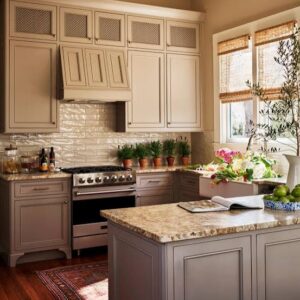

What is soapstone countertops in showrooms often captivate people’s attention for good reason. Its dark, velvety surface immediately draws their gaze and demands discussion. If you are curious to know what soapstone is all about and whether it belongs in your kitchen, asking about its uses is already an indicator that this may be worth looking into further. Spoiler: Most homeowners who choose it never look back.
At Poseidon Remodeling, we’ve installed soapstone in everything from farmhouse kitchens to modern renovations, including soapstone floor tile that completes the look top to bottom. Here’s everything you actually need to know before deciding.
What Is Soapstone?
Before discussing soapstone countertops, one needs to gain an understanding of its composition.
Soapstone is an natural occurring stone found deep within. Made up mostly of talc with additional minerals like magnesia or chlorite present, soapstone’s composition gives it its characteristic soap-like surface texture which creates its nameain appearance and soft velvet-like surface, much like that found when using real soap to wash hands or feet.
But unlike harder stones like granite and marble, softer than granite, altering how well it performs as an appealing countertop material.
Soapstone Countertops Made Of?
When people ask, “What are soapstone countertops made of?”, the answer is simple:
- Mined soapstone slabs
- Cut to size
- Fabricated into counters
- Installed without complex sealing systems
Because soapstone is a natural stone, each slab has unique veining and color. Most start in shades of gray. Over time, the surface darkens over time, especially if you apply mineral oil.
What Is Soapstone and How Is It Different?

Let’s answer the main question directly. They are kitchen or bathroom surfaces made from solid slabs of soapstone, valued for heat resistance, durability, and a smooth matte look.
They stand apart from granite or quartz in several ways:
- They do not require traditional sealing.
- They handle hot pots without damage.
- Soapstone countertops slowly develop a patina over time.
- And their warmer feel than quartz makes for an inviting surface to use in any setting.
But for those seeking an eye-catching glossy finish like granite and marble countertops, soapstone may feel too subtle for you; but its depth of character offers something truly original.
Are Soapstone Countertops Durable and Heat Resistant?
This is one of the biggest questions buyers ask.
Soapstone has excellent heat resistance. It has been used for decades in wood stoves and lab surfaces. You can place hot pans directly on it without worrying about cracks or burn marks.
In daily kitchen use:
- It handles heat better than many engineered surfaces.
- It rarely chips.
- It does not crack easily.
However, remember this: soapstone is softer than granite. You can scratch it with sharp objects. The good news is that scratches can be lightly sanded and blended back in. That makes repairs simple compared to replacing a damaged granite slab.
Pros and Cons of Soapstone Countertops
Every surface has tradeoffs. Let’s look at the real ones.
Benefits
- Strong Heat Resistance
You can set hot pans directly on the surface. That is a big plus for serious cooks. - Resists Stains
Soapstone naturally resists stains because it is non porous. It does not absorb liquids like some stones. - No Sealing Required
Unlike granite, it does not need requiring sealing every year. This saves time and money. - Natural Beauty
It has a deep, rich tone that darkens over time. Many homeowners love this evolving look. - Easy Repair
Since soapstone is softer, small scratches can be sanded out. That keeps it looking fresh.
Drawbacks
- Softer Surface
Because it is softer than granite, you may see marks from knives or heavy objects. - Color Change
If you do not like the surface getting darker, this may bother you. Applying mineral oil speeds up the darkening process. - Higher Cost in Some Areas
Depending on supply, price per square foot can be similar to or higher than granite or quartz.
How Much Do Soapstone Countertops Cost?
Pricing varies by region and availability. On average, expect:
- $70 to $120 per square foot installed
- Custom edges increase cost
- Thicker soapstone slabs cost more
When comparing to granite and marble:
- It often falls in the mid to high range
- It can be more than basic quartz countertops
- It is similar to premium granite
If you are planning a full remodel, check your overall Countertop Install Cost before deciding.
Maintenance: What Soapstone Requires

One reason many homeowners search what is soapstone countertops is because they want low maintenance.
Here is what soapstone requires:
- Wiping with mild soap and water
- Optional oil treatment
- Light sanding for scratches
Unlike granite, there is no sealing routine. That is a major advantage.
Applying Mineral Oil
Many people choose to use mineral oil to:
- Speed up darkening
- Even out natural color variations
- Enhance the rich charcoal tone
You can apply it with a soft cloth. Over time, the stone will reach a consistent shade.
Soapstone vs Granite or Quartz
Let’s compare directly.
Soapstone vs Granite
- Granite is harder.
- Soapstone handles heat better.
- Granite needs sealing.
- Soapstone does not.
Soapstone vs Quartz
- Quartz is engineered.
- Soapstone is a natural occurring stone.
- Quartz has consistent patterns.
- Soapstone has natural veining.
- Quartz may discolor with extreme heat.
- Soapstone provides high heat resistance.
If you’re uncertain where to turn for inspiration, reading about the Best Stone Kitchen Countertops could help clarify your goals and find an appropriate option for you.
Soapstone Kitchen Countertops in Modern Design
Soapstone kitchen countertops make an excellent addition to:
- Farmhouse style kitchens
- Transitional spaces
- Classic white cabinet layouts
- Dark cabinet designs
Being compatible with wood, brass and white cabinetry allows it to blend perfectly into many styles of decor.
In full Kitchen Remodeling projects, designers often use soapstone for:
- Perimeter counters
- Island tops
- Butler pantry surfaces
At Poseidon Remodeling, we have seen homeowners choose soapstone when they want character instead of shine.
What About Soapstone Floor Tile?
Many people focus only on counters. But soapstone floor tile is also an option.
It works well in:
- Mudrooms
- Bathrooms
- Entryways
Due to porcelain flooring’s ability to resist stains and regulate moisture effectively, it makes an excellent choice for installations in heavy traffic areas; though be mindful that soft underfoot surface may wear faster due to being soft underfoot.
Some brands provide variations like Msi Soapstone Metropolis that mimic its look using porcelain or engineered formats – an excellent option if you love its style but require something harder!
Common Myths About Soapstone
Myth 1: Soapstone Is Too Soft for Kitchens?
Although soapstone may appear soft to touch, that does not equate to fragile. In fact, generations ago it has been utilized in labs and homes alike without breaking.
Myth 2: Stains Easily
Due to being non porous it actually resists stain better than many stones thus extending its longevity considerably.
Myth 3: Constant Upkeep
It requires regular upkeep such as oiling. Granite requires more routine care. No sealant schedule must be met.
Real World Buyer Questions
When homeowners ask what is soapstone countertops, they usually want practical insight.
Here are answers based on real concerns:
- If you cook daily and use heavy pots, it holds up well.
- If you want a glossy, perfect look forever, it may not be ideal.
- If you like surfaces that develop character over time.
Soapstone slabs could be perfect. Since their surfaces remain solid throughout, surface wear doesn’t expose different layers beneath.
Is Soapstone Right for Your Kitchen?
Question Yourself:
- Do I value natural materials?
- Am I okay with light surface marks?
- Do I like darker tones that evolve?
If yes, soapstone may be a strong fit.
Granite or quartz surfaces might offer more reliable surfaces with consistent colors; but understanding soapst offer helps make decisions with confidence rather than guesswork.
Conclusion
Selecting the ideal countertop doesn’t only involve cost per square foot. It is about how you live in your kitchen. If you were searching what is soapstone countertops or soapstone floor tile, you now know it is a natural, heat resistant, low maintenance surface that develops character over time. It is not perfect for everyone. It scratches more easily than granite or quartz.
But, unlike carpet, tile not only resists stains but can handle hot pots without needing sealant and feels right for many homeowners. When planning a remodel contact Poseidon Remodeling to compare real samples in person and choose something which best meets both your space and lifestyle needs.
FAQs
What is soapstone countertops made of?
It is made from solid slabs of soapstone, a natural stone rich in talc. This gives it a smooth feel and strong heat resistance.
Are soapstone countertops durable and heat resistant?
Yes. They handle hot pots very well and resist cracking. Because soapstone is softer, small scratches can be lightly sanded.
Do soapstone kitchen countertops require sealing?
No. Unlike granite and marble, they are non porous and do not need sealing. Some owners choose applying mineral oil to deepen color.
How does soapstone compare to granite or quartz?
Soapstone is a natural occurring stone with a matte look. Quartz countertops are engineered and harder, while granite sits between the two in hardness.
Can soapstone floor tile be used in high traffic areas?
Yes, but expect some wear over time since soapstone is softer than granite. Many people accept this as part of its character.